
7 Mistakes You’re Making with Animal Photography Stock (and How to Fix Them)
Animal photography stock is everywhere. Marketing teams, designers, publishers: everyone needs it. But here's the thing: most people are using it wrong. Or worse, shooting it wrong.
Whether you're browsing Zoo Imagery for your next campaign or building your own stock library, these mistakes cost you time, money, and quality.
Let's fix them.
1. Trusting Autofocus Blindly
Your camera wants to help. But it doesn't know the difference between a tiger's eye and the branch in front of it.
The problem: Full autofocus picks whatever's closest or most contrasty. That's usually not your subject's eyes.
The fix: Take control. Switch your autofocus points to manual selection. Use continuous autofocus mode: AI Servo on Canon, AF-C on Nikon. Lock onto the eyes. Always the eyes.
For fast subjects like hummingbirds or diving pelicans, pre-focus on a spot where you know they'll pass. Or switch to manual focus entirely.
When choosing stock images, check the focus point. If the eyes aren't sharp, skip it. Doesn't matter how rare the species is.

2. Using the Wrong Shutter Speed
Too fast, and your image looks sterile. Too slow, and it's a blurry mess.
The problem: Freezing a lion at 1/4000 sec removes all life from the shot. Shooting a bird at 1/125 sec turns it into an abstract painting.
The fix: Match your speed to your subject and intent.
- Birds in flight: 1/1000 sec minimum
- Running mammals: 1/500 sec
- Walking elephants or grazing zebras: 1/250 sec works
- Intentional motion blur for artistic effect: 1/60 sec or slower
When browsing stock libraries, look for appropriate motion treatment. A flying eagle should show some wing blur at the tips. A walking bear should feel grounded, not frozen in time.
The best stock photography captures life, not just anatomy.
3. Shooting Too Far Away
Tiny animals in vast landscapes have their place. But not in most stock photography.
The problem: The animal is a speck. You can't see detail. The eyes have no impact. The image becomes useless for close-up applications.
The fix: Use telephoto lenses: 300mm or longer. Fill the frame. Give editors options to crop without losing resolution.
If you're selecting stock photos, choose images where the animal occupies at least 40% of the frame. Unless you specifically need an environmental shot, go closer.
Detail matters. Eye detail matters most.

4. Ignoring Basic Composition
A rare snow leopard doesn't excuse bad framing.
The problem: Centering every subject. Cutting off limbs or tails at awkward points. Including distracting branches, fences, or other animals in the background.
The fix: Apply the rule of thirds. Position your subject off-center. Leave space in the direction the animal is looking or moving.
Shoot at eye level with the animal. Not from above looking down. Eye-to-eye creates connection.
Remove distractions. A twig crossing your elephant's face ruins the shot. Move yourself or wait for the animal to move.
When evaluating stock images, check the background. Clean backgrounds = versatile images. Cluttered backgrounds = limited use cases.
5. Missing the Moment
Static animals have their place. But behavior sells.
The problem: Every photo shows an animal sitting. Or standing. Or just… existing.
The fix: Research before shooting. Know what behaviors to expect. Primates groom each other. Elephants spray water. Birds display during mating season.
Wait for interaction. Parent and offspring. Predator and prey. Play between juveniles.
Stock libraries need both: clean portraits and behavioral moments. The portraits work for educational content. The behavior works for storytelling.
When you need stock photography for a campaign about family, partnership, or teamwork: behavioral shots deliver emotion that portraits can't.
6. Fighting Bad Light
You can't Photoshop your way out of terrible lighting.
The problem: Shooting in harsh midday sun. Accepting deep shadows that hide facial features. Pushing ISO so high that noise destroys detail.
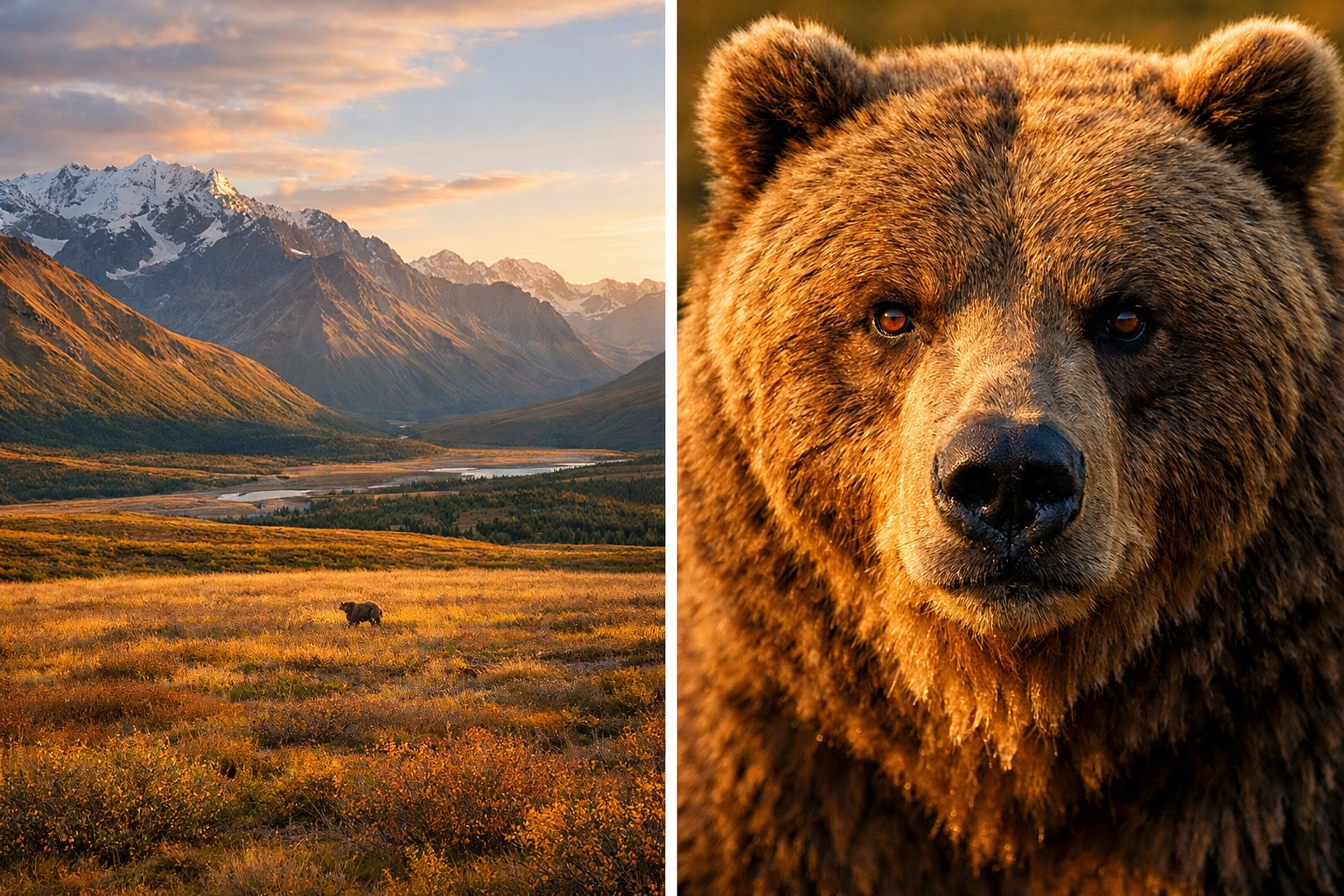
The fix: Plan around light. Golden hour: the hour after sunrise or before sunset: gives warm, soft light. Overcast days provide even lighting without harsh shadows.
If you must shoot midday, position yourself so the sun is behind or to the side of the animal. Never shoot with the sun directly overhead.
For indoor or low-light situations, increase ISO gradually. Test your camera's limits beforehand. Know where noise becomes unacceptable.
When choosing stock images, check the histogram. Blown highlights or crushed shadows limit how editors can use the file.
Good light isn't optional. It's the foundation.
7. Depending on Crop and Edit
"I'll fix it in post" is expensive thinking.
The problem: Shooting wide with plans to crop later. Assuming you can recover detail in editing. Relying on AI upscaling to compensate for poor composition.
The fix: Compose in-camera. Zoom in using your lens, not your software. Get the shot right when you press the shutter.
Every crop reduces resolution. Every edit introduces artifacts. The cleaner your original file, the more versatile it becomes.
For stock photography buyers, this means choosing images that need minimal adjustment. High resolution. Good composition. Proper exposure. You want files that work immediately, not projects.
What This Means for Stock Photography
These mistakes don't just affect individual photographers. They flood stock libraries with mediocre images that waste everyone's time.
Quality animal photography requires:
- Technical precision
- Behavioral knowledge
- Compositional discipline
- Patience
At Zoo Imagery, we work with zoos and aquariums to create stock photography that meets professional standards. Every image. Every species.
No guessing about focus points. No amateur lighting. No crops that destroy resolution.
Whether you're creating content for conservation campaigns, educational materials, or marketing projects: the right stock photography makes your job easier.
Stop settling for almost-good-enough animal images. Stop wasting time fixing preventable mistakes.
Ready to explore stock photography that gets it right the first time? Visit zooimagery.com or connect with us on LinkedIn.
Your next campaign deserves better than blurry elephants and poorly composed penguins.


