
5 Wildlife Marketing Trends You Can't Ignore This Week (Plus What Top Zoos Are Doing Right Now)
The wildlife marketing landscape shifts fast. What worked last month might not land this week. Here's what's happening right now in zoo and aquarium marketing: and how you can use it.
1. Visitors Are Choosing Organizations That Actually Care
76% of travelers say they want sustainable experiences. But here's the thing: they can tell when you're just saying it versus actually doing it.
Top zoos are dropping the corporate sustainability jargon. Instead, they're showing the work. Behind-the-scenes content of conservation teams. Real stories about breeding programs. Actual impact numbers.
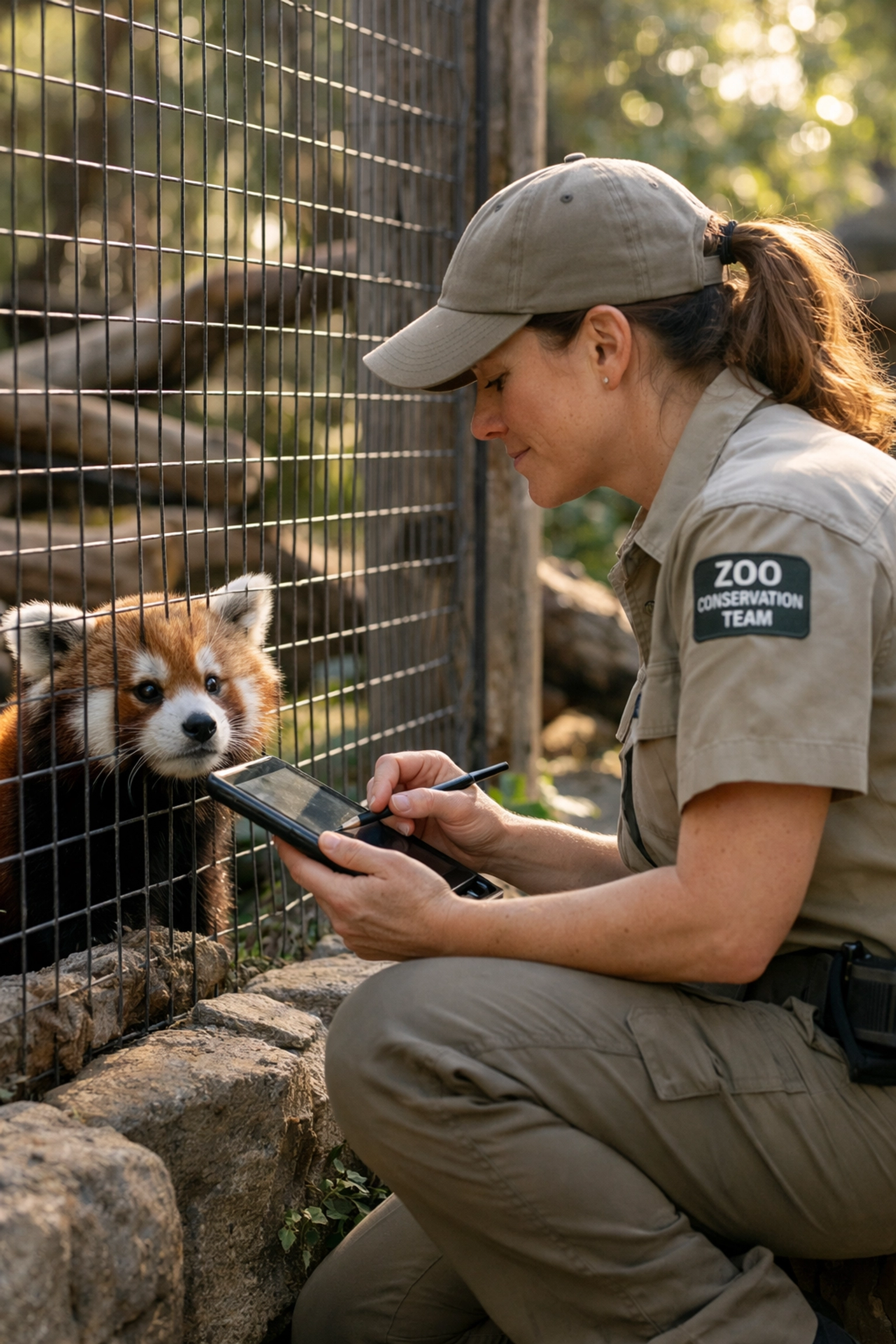
What this means for you: Stop talking about your mission statement. Show your conservation work in action. Use real photos of your team doing the work. Document your breeding programs. Share specific results, not vague promises.
Your visitors want proof, not polish.
2. Solo Visitors Are Your Fastest-Growing Segment
Solo wildlife tourism is growing at 9.2% annually. Millennials and Gen Z are visiting zoos alone: and they're documenting everything.
These visitors aren't looking for group discounts or family packages. They want self-guided experiences, quiet observation spots, and Instagram-worthy moments.
Smart zoos are adapting. Self-paced audio tours. Photography-friendly viewing areas. Benches positioned for solo reflection. Digital scavenger hunts designed for one person.
What to do this week: Audit your marketing materials. If everything speaks to families and groups, you're missing a major segment. Create content that speaks directly to solo visitors. Highlight experiences that work for one person. Make your photography policies clear and welcoming.
3. Direct Booking Is Winning (But Only If You Make It Easy)
63.8% of wildlife tourism bookings happen directly with the organization. Not through third-party platforms. Not through aggregators.
But here's what matters: those direct bookings only happen when the process is dead simple.
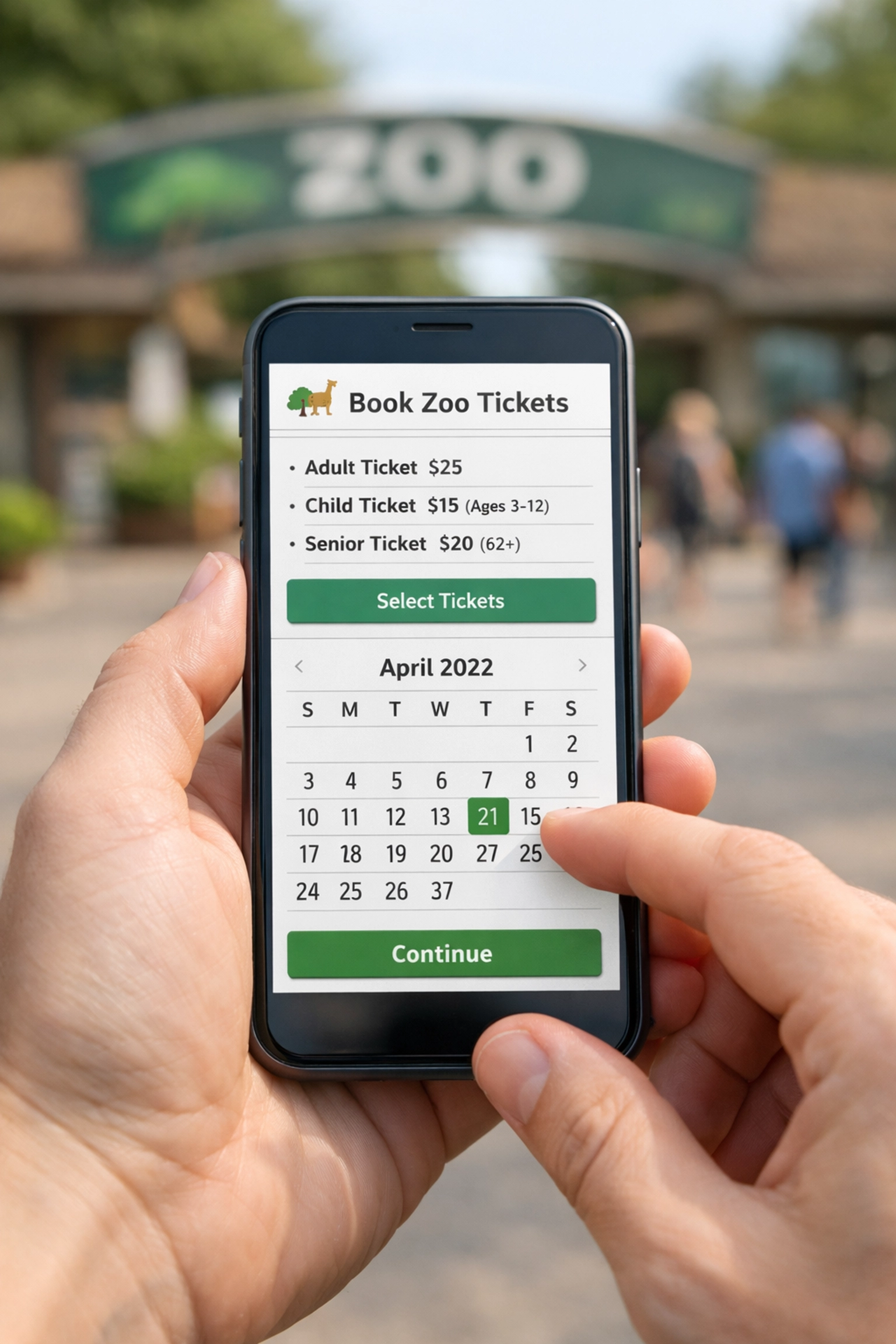
Top performers right now? They show real-time availability. Transparent pricing. Clear cancellation policies. No hidden fees. No surprise add-ons.
Action step: Test your own booking process on mobile. Right now. If it takes more than three taps to see availability and pricing, you're losing people.
Your website should answer questions, not create them.
4. Education Sells Better Than Entertainment
The shift is real. Visitors increasingly choose experiences based on what they'll learn, not just what they'll see.
Marketing campaigns that emphasize education, conservation awareness, and species knowledge are outperforming pure entertainment messaging.
Leading zoos are restructuring their content around learning outcomes. "Meet our penguins" becomes "Why African penguins are endangered: and what we're doing about it."
The story matters more than the spectacle.
How to apply this: Review your current marketing content. For every animal feature or exhibit promotion, add the educational angle. What will visitors understand after experiencing this? What conservation challenge does this species face? What role does your organization play in solving it?
Make learning the benefit, not the bonus.
5. Social Proof Drives Everything
Photography communities. Social media storytelling. User-generated content. These aren't nice-to-haves anymore: they're how people decide where to visit.
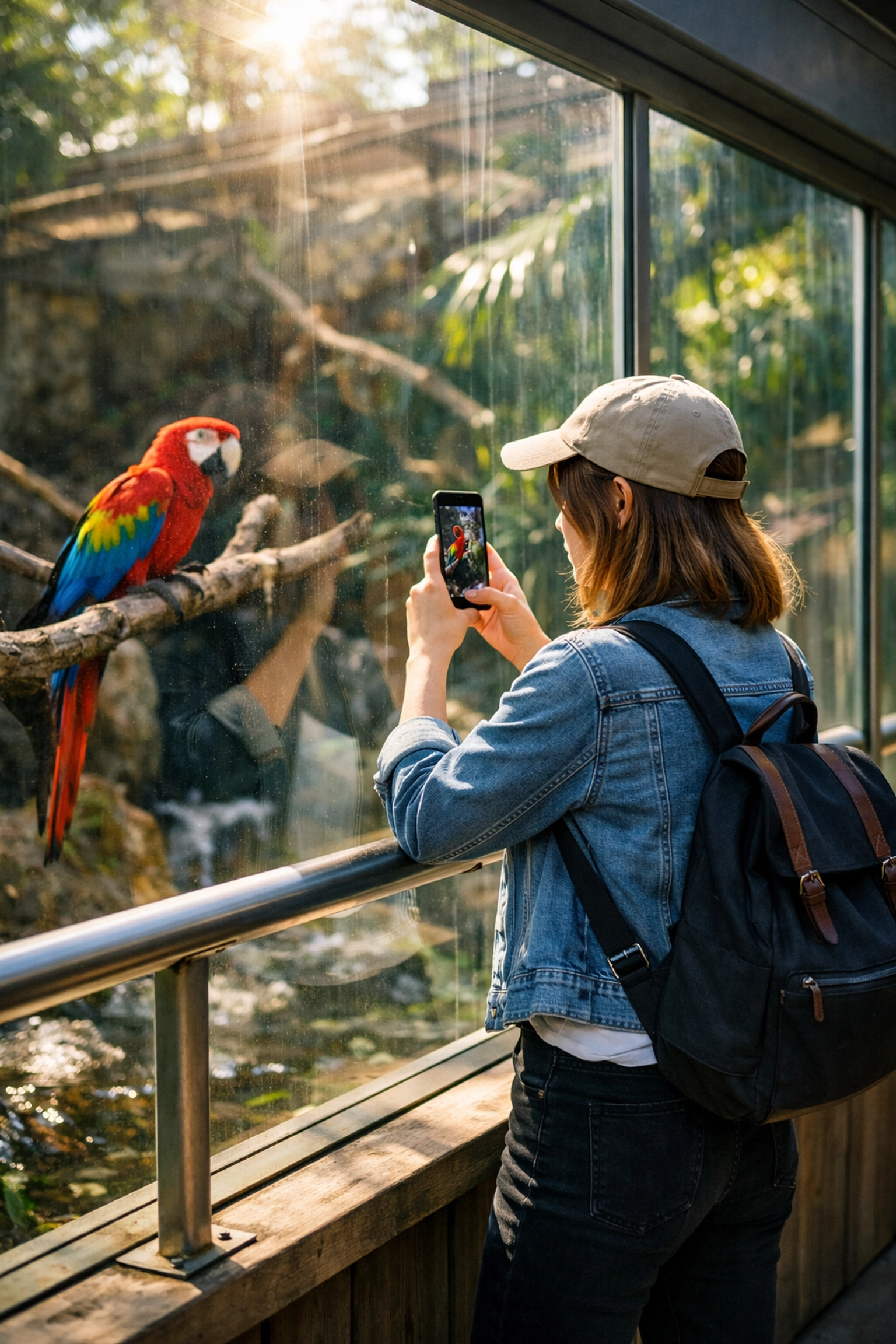
One authentic visitor photo performs better than ten professional marketing shots. One real story from a member beats any promotional copy you write.
Progressive zoos are building content systems around their visitors' experiences. They're making it easy to share. They're featuring visitor photography. They're turning members into storytellers.
Start today: Create a simple system for collecting and featuring visitor photos. Set up a branded hashtag. Feature one visitor story per week. Give your community a reason to create content for you.
The best marketing comes from your visitors, not your marketing team.
What Top Zoos Are Actually Doing Right Now
These trends aren't theoretical. Here's what leading organizations are implementing this week:
Content Strategy: Daily behind-the-scenes posts showing real conservation work. No scripted content. No corporate speak. Just real people doing real work.
Photography Partnerships: Working with local photographers and content creators to document species in ways that feel authentic, not staged.
Member Storytelling: Featuring member testimonials that focus on educational moments, not just fun visits. "My daughter learned about coral reef ecosystems" beats "We had a great time."
Digital-First Booking: Mobile-optimized ticketing with real-time capacity updates. Clear photography policies posted at checkout.
Educational Angles: Every post ties back to conservation, species knowledge, or environmental impact. Entertainment is the delivery method, not the message.
Your Next Steps
Pick one trend from this list. Just one.
Implement it this week. Not next month. Not when you have more time. This week.
The organizations gaining ground right now aren't doing everything perfectly. They're just moving faster than their competition.
Start with what's easiest for your team. Solo visitor content? Behind-the-scenes conservation posts? Better booking flow? Pick one and execute.
Marketing momentum beats marketing perfection.
Need authentic wildlife imagery that tells real conservation stories? Check out what we're building at Zoo Imagery. Real animals. Real impact. Zero stock photo nonsense.


