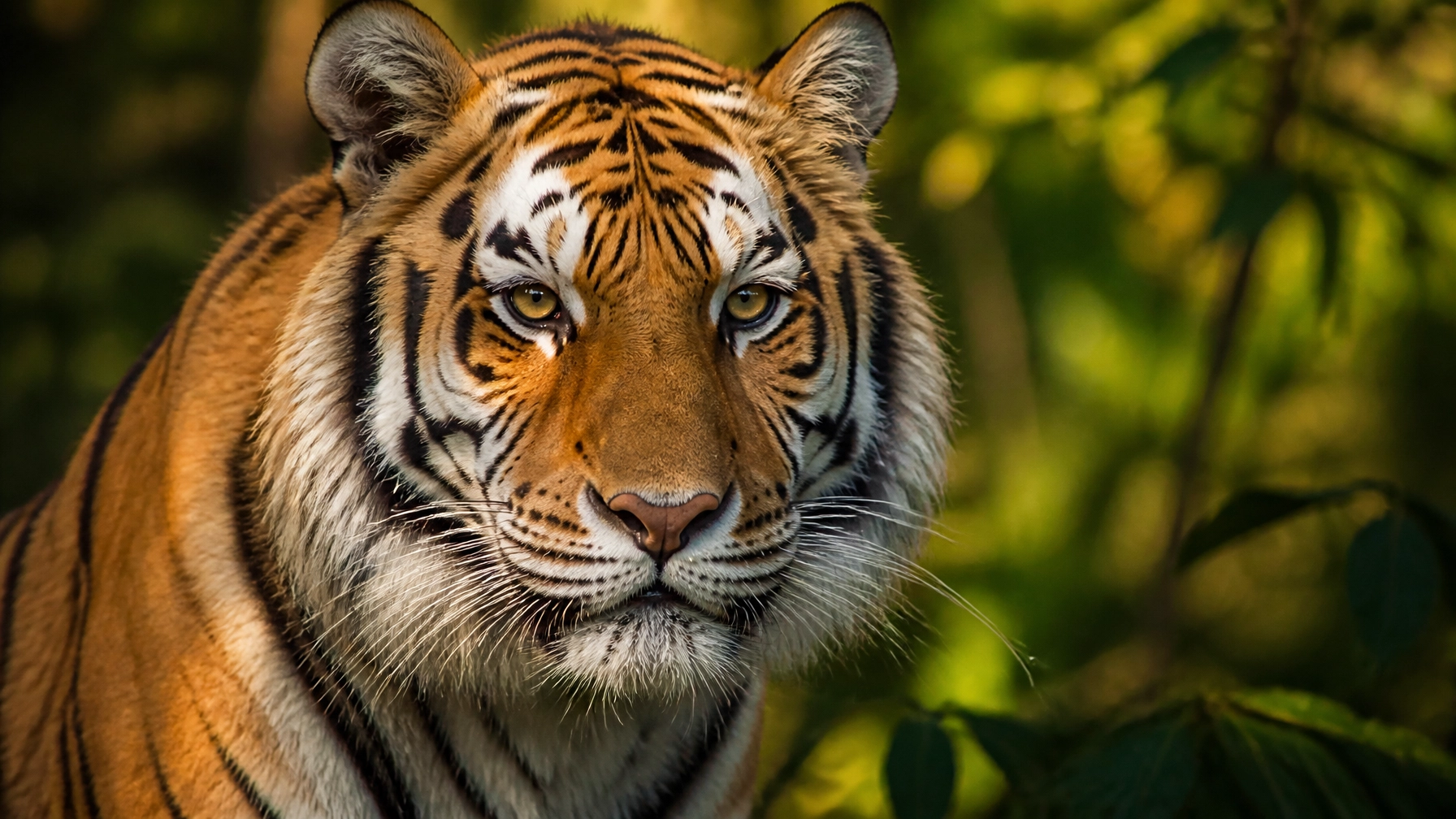
5 Steps How to Use Species Spotlights and Drive Zoo Animal Photos Engagement (Easy Guide for Marketers)
Engagement drives conservation.
Visuals drive engagement.
Species spotlights offer a focused way to connect your audience with your mission.
This guide simplifies the process.
No jargon. Just results.
Step 1: Select Your Species
Focus is key.
Don't showcase the entire zoo at once.
Choose one animal to anchor your campaign.
Criteria for Selection:
- Visual appeal. High-contrast colors. Striking patterns.
- Rarity. Endangered status creates urgency.
- Story potential. A recent rescue. A new birth. A successful rehabilitation.
- Visitor favorites. Lions. Polar bears. Pandas.

Why it works:
- Reduces cognitive load for the audience.
- Creates a "hero" character for your brand.
- Allows for deep-dive educational content.
Action items:
- Review your current resident list.
- Identify the "face" of your next quarter.
- Align the choice with your Zoo Imagery asset needs.
Step 2: Build the Conservation Narrative
People don't care about facts.
They care about stories.
Frame your species within a larger context.
Story Elements:
- The Challenge. Habitat loss. Poaching. Climate change.
- The Work. What your zoo is doing. Breeding programs. Field research.
- The Goal. Survival. Release. Stability.
- The Participation. How the visitor helps by visiting or sharing.
Tone check:
- Avoid "doomsday" language.
- Focus on hope and action.
- Keep it simple. One problem. One solution. One species.
Key Data points:
- Species population numbers (keep them plain).
- Acres of habitat protected.
- Success rates of your specific program.
Step 3: Prioritize Visual Excellence
Bad photos kill engagement.
Marketing requires high-resolution, professional-grade imagery.
Use the right tools for the right platform.

The Mix:
- Hero Shots. Professional stock from Zoo Imagery.
- Behind-the-Scenes. Unfiltered keeper footage.
- Detail Shots. Macro fur textures. Eye close-ups.
Format Matters:
- Portrait for Reels and TikTok.
- Landscape for website headers and blog posts.
- Square for standard feed posts.
Quality Standards:
- Natural lighting only.
- Sharp focus on the eyes.
- Authentic behaviors. No staged poses.
Step 4: Activate User-Generated Content (UGC)
Engagement is a two-way street.
Let your visitors do the work.
User-generated content builds trust.

How to use the ZooMedia.us app:
- Real-time sharing. Enable guests to share photos instantly.
- On-site prompts. Use QR codes at the exhibit.
- Contests. "Best Tiger Photo of the Month."
- ROI Tracking. Measure how many photos are shared per visitor.
Engagement Tactics:
- Ask questions. "What would you name this cub?"
- Feature visitors. Repost their best shots.
- Use specific hashtags. #ZooSpotlight[SpeciesName].
Benefits of UGC:
- Authentic social proof.
- High volume of content at zero cost.
- Increased organic reach through visitor networks.
Step 5: Measure, Refine, Repeat
Data tells the truth.
Analyze the performance of your spotlight.
Adjust for the next species.
Metrics to Track:
- Sharing volume. Total UGC created via ZooMedia.us.
- Sentiment. Positive vs. neutral comments.
- Conservation impact. Increase in donations or interest in specific programs.
- Visitor dwell time. Do they stay longer at the featured exhibit?

Optimization:
- If engagement was low, change the story angle.
- If photos were poor, upgrade your stock library.
- If sharing was slow, improve your on-site signage.
Summary
Focus on one species.
Tell a human story.
Use professional visuals.
Let visitors participate.
Track the numbers.
High-quality animal photography saves time.
High-quality marketing saves species.
Ready to upgrade your zoo's visual strategy?
Explore our collection of professional animal photography at Zoo Imagery or connect with us on LinkedIn.


