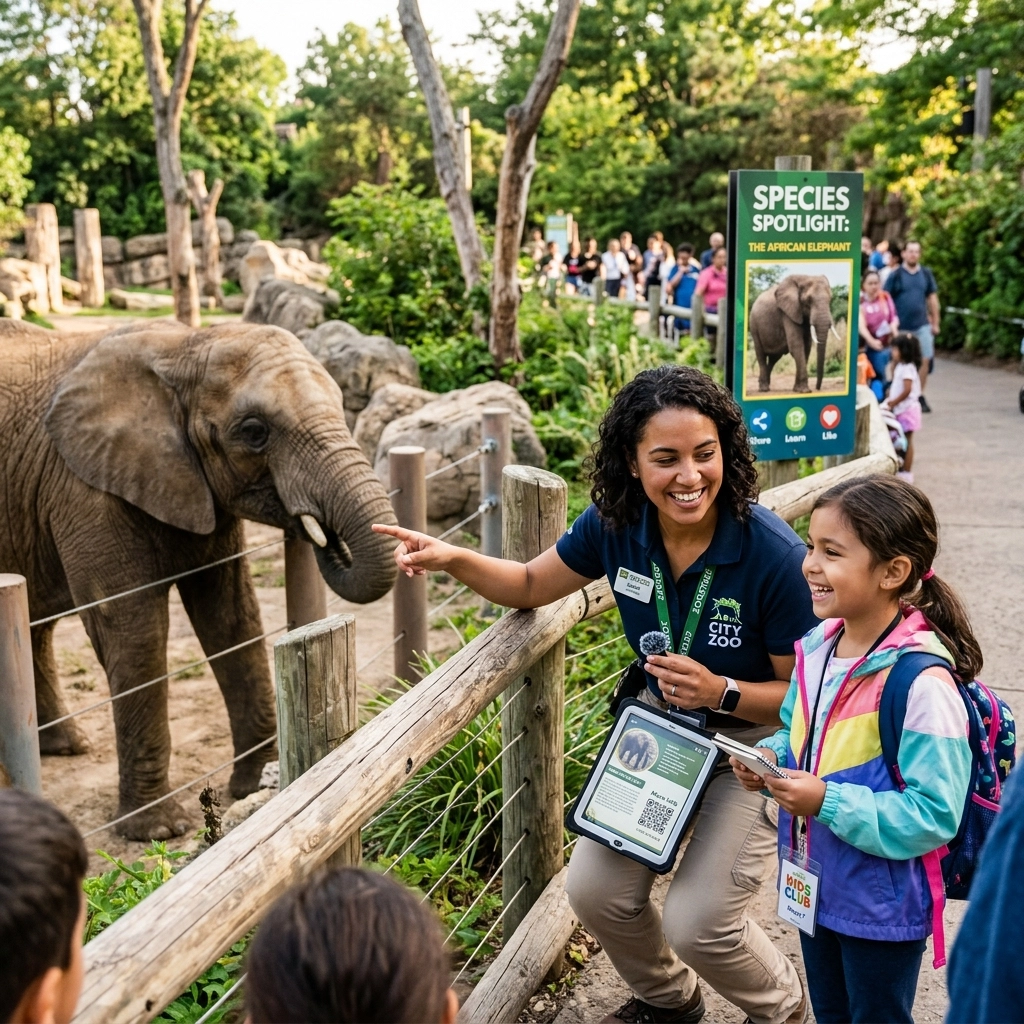
5 Steps How to Master Species Spotlights and Boost Your Zoo’s Engagement (Easy Guide for Marketers)
Zoos and aquariums act as a bridge. They connect people to the natural world. Marketers have a clear goal. Convert casual visitors into lifelong advocates. One effective way is the species spotlight. It focuses attention on a single animal or group. It creates a deep bond.
Species spotlights are more than facts on a sign. They are narratives. They are tools for conservation. At Zoo Imagery, we provide the visual foundations for these stories.
Here is a five-step guide to mastering this approach.
1. Choose the Right Species
Do not guess. Use your data.
Start by looking at visitor traffic. Which exhibits get the most dwell time? Sometimes, it is the lions. Other times, it is a less expected group.
Consider these factors for selection:
- Current events. Births, arrivals, or rescues.
- Conservation status. Vulnerable or endangered species need a platform.
- Visual appeal. Animals that photograph well capture attention on social media.
- Brand alignment. Focus on species that reflect your zoo’s mission.
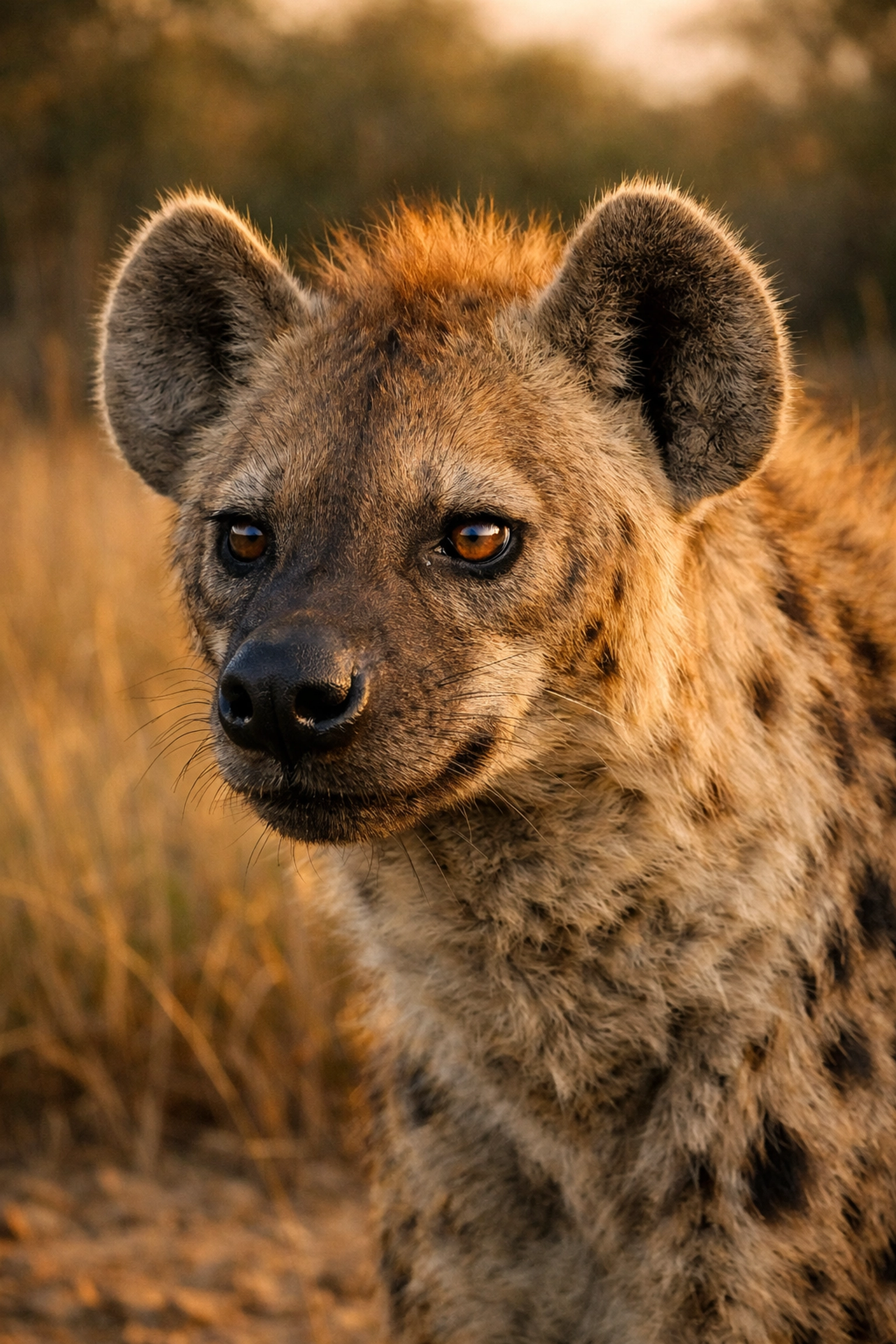
A spotlight on wild tigers often performs well due to their iconic status. However, a spotlight on hyenas can challenge misconceptions and drive high engagement through education.
2. High-Impact Visuals
Visuals are your first touchpoint. A low-quality photo kills interest.
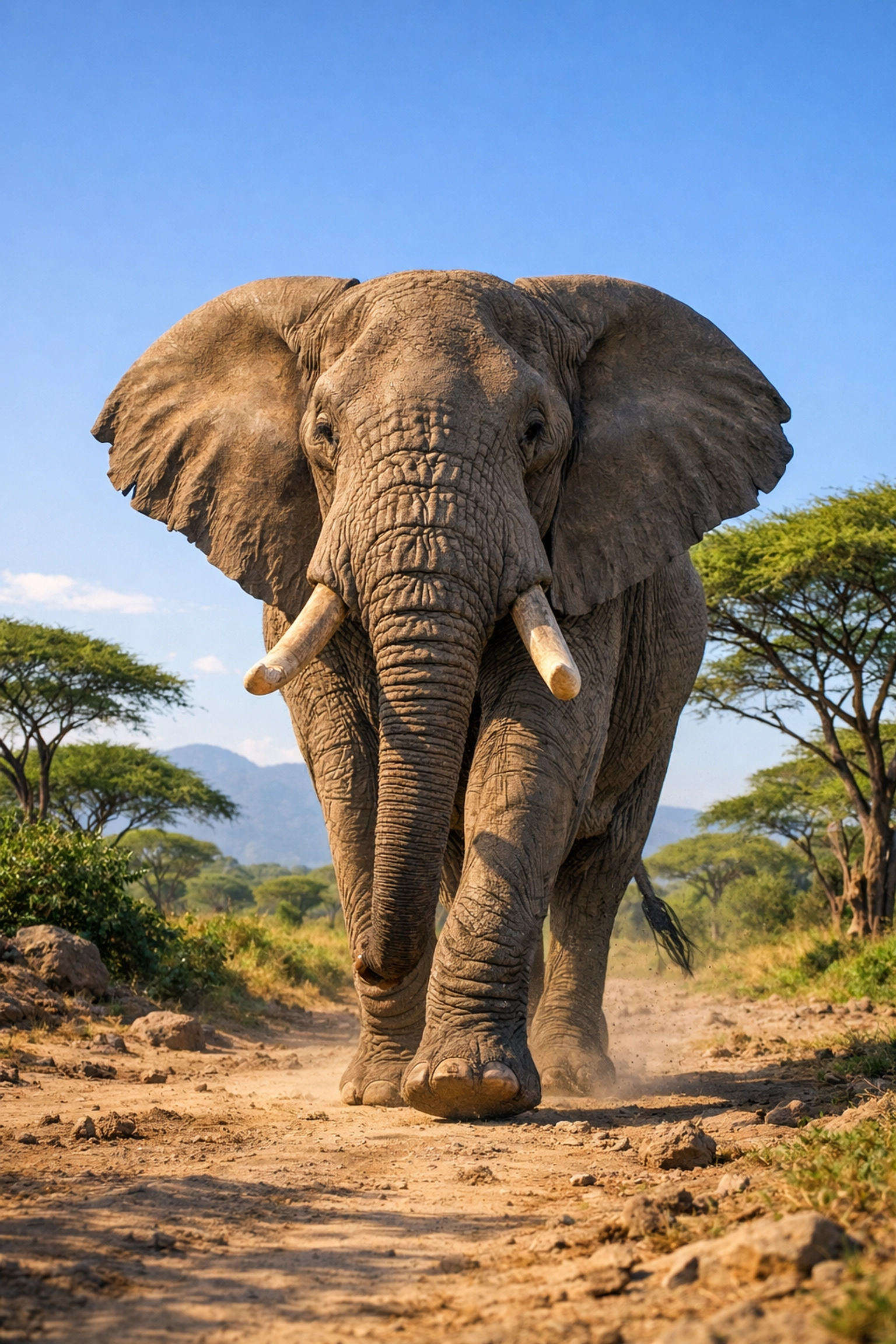
People want to see detail. The texture of a trunk. The intensity of an eye. The movement of a wing. Use professional-grade media.
Visual checklist:
- Clarity. No blurry shots through glass.
- Emotion. Catch a moment of interaction or rest.
- Environment. Show the animal in a lush, naturalistic setting.
- Variety. Use wide shots for context and close-ups for intimacy.
Zoo Imagery specializes in this. We offer extensive libraries for species like giraffes and elephants. When you have high-quality assets, your marketing looks professional. It looks trustworthy.

3. Tell a Story, Not a Textbook
Facts are useful. Stories are memorable.
Avoid long lists of biological data. Focus on the narrative.
Story elements to include:
- The Individual. Does the animal have a name? What is its personality?
- The Struggle. What threats does this species face in the wild? Keep it honest but hopeful.
- The Rescue. Share how the animal came to your facility if it was a rescue.
- The Daily Life. What does enrichment look like for them?
For example, when spotlighting polar bears, focus on the specific care they receive. Detail the temperature-controlled environments. Mention the frozen treats. This builds transparency. It shows the quality of care.
4. Multi-Channel Integration
A spotlight should live everywhere. It is not just a Facebook post. It is a full campaign.
Distribution points:
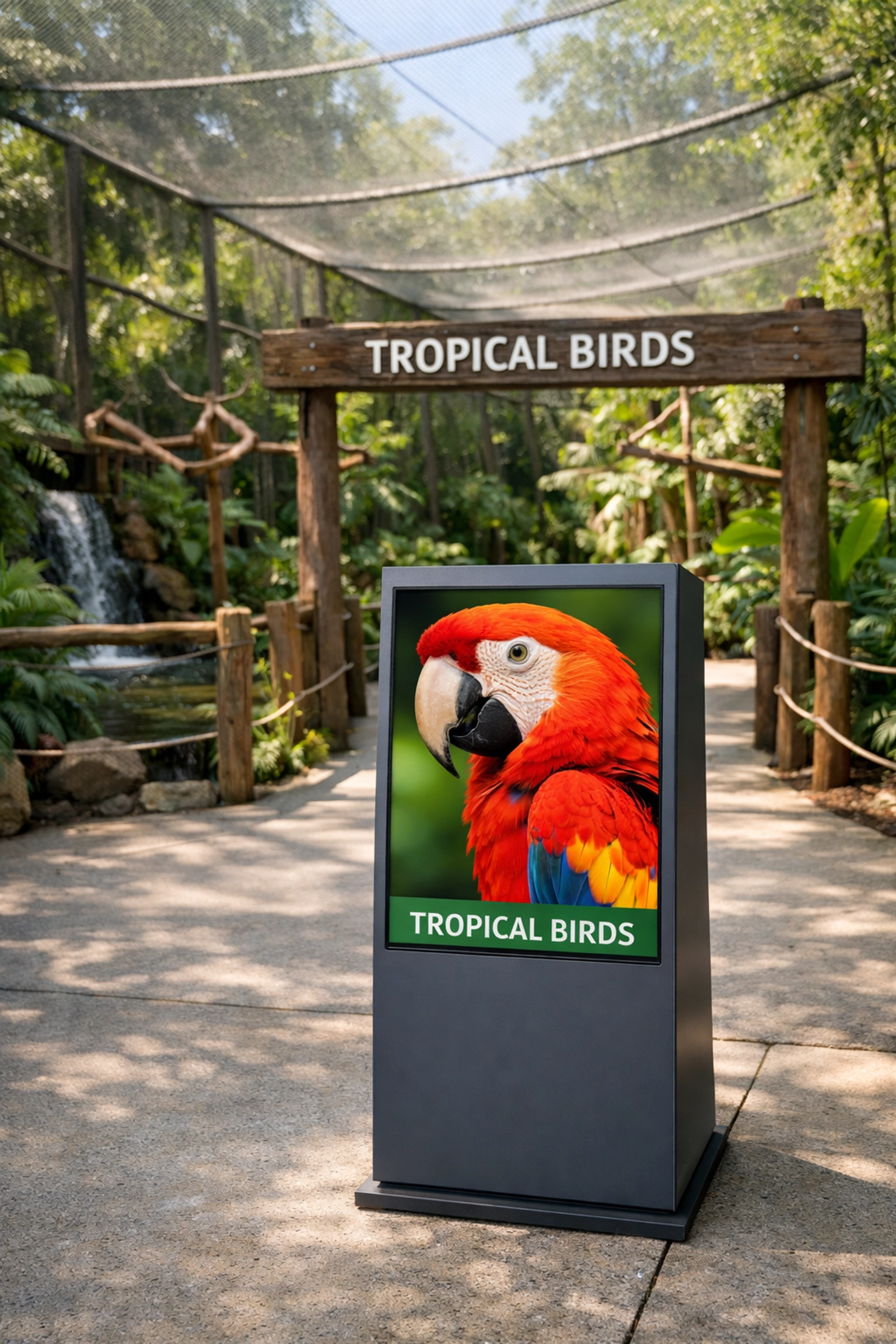
- On-site Signage. Use large, clear visuals. Minimal text.
- Digital Integration. QR codes at the exhibit. Link to a dedicated page on your site.
- Social Media. Use reels for movement. Use carousels for deep dives.
- Email Marketing. Provide "Presented by" content for members.
- Partner Campaigns. Offer sponsored spotlights for local businesses aligned with your values.
Strategic signage ties the experience together. When a visitor sees a beautiful image of birds on their phone and then sees the same high-quality branding at the aviary, it creates a cohesive experience.
5. Measure Success
Engagement is your metric.
Look at the numbers plainly.
- Digital. Likes, shares, and time spent on page.
- Physical. QR code scans at the exhibit.
- Direct Support. Increases in "Adopt-an-Animal" programs for the featured species.
- Member Growth. Number of sign-ups following a spotlight campaign.
If a spotlight on pandas drives more donations than others, analyze why. Was it the photo? Was it the story? Use these insights for your next campaign.
Company Update: Milestones at Zoo Imagery
Today is Sunday, 12 of April 2026.
At Zoo Imagery, we recently reached a significant milestone. Our library now includes over 50,000 high-resolution assets dedicated to global species. This collection helps zoos worldwide tell better stories.
We believe in the power of professional photography. It is the most direct way to advocate for conservation. By providing these tools, we help you focus on what matters: the animals.
Conservation Storytelling
Conservation is the core. Every spotlight should lead back to the wild.
When you feature elephants, you aren't just showing a large mammal. You are highlighting the need for habitat protection. You are talking about ivory trade issues. You are showing how your zoo contributes to global efforts.
Keep it simple. Use professional imagery. Tell a human story.
Why Choose Zoo Imagery?
We understand the specific needs of zoo marketers.
- Simple Licensing. Easy access to what you need.
- Specialized Content. We know animals.
- Marketing Ready. Assets designed for high engagement.
Better visuals lead to better engagement. Better engagement leads to better conservation outcomes.
Learn more about our species collections at zooimagery.com.
Connect with us for more insights on LinkedIn.
Presented by Zoo Imagery.
Documenting wildlife. Supporting conservation. Simplifying your marketing.


