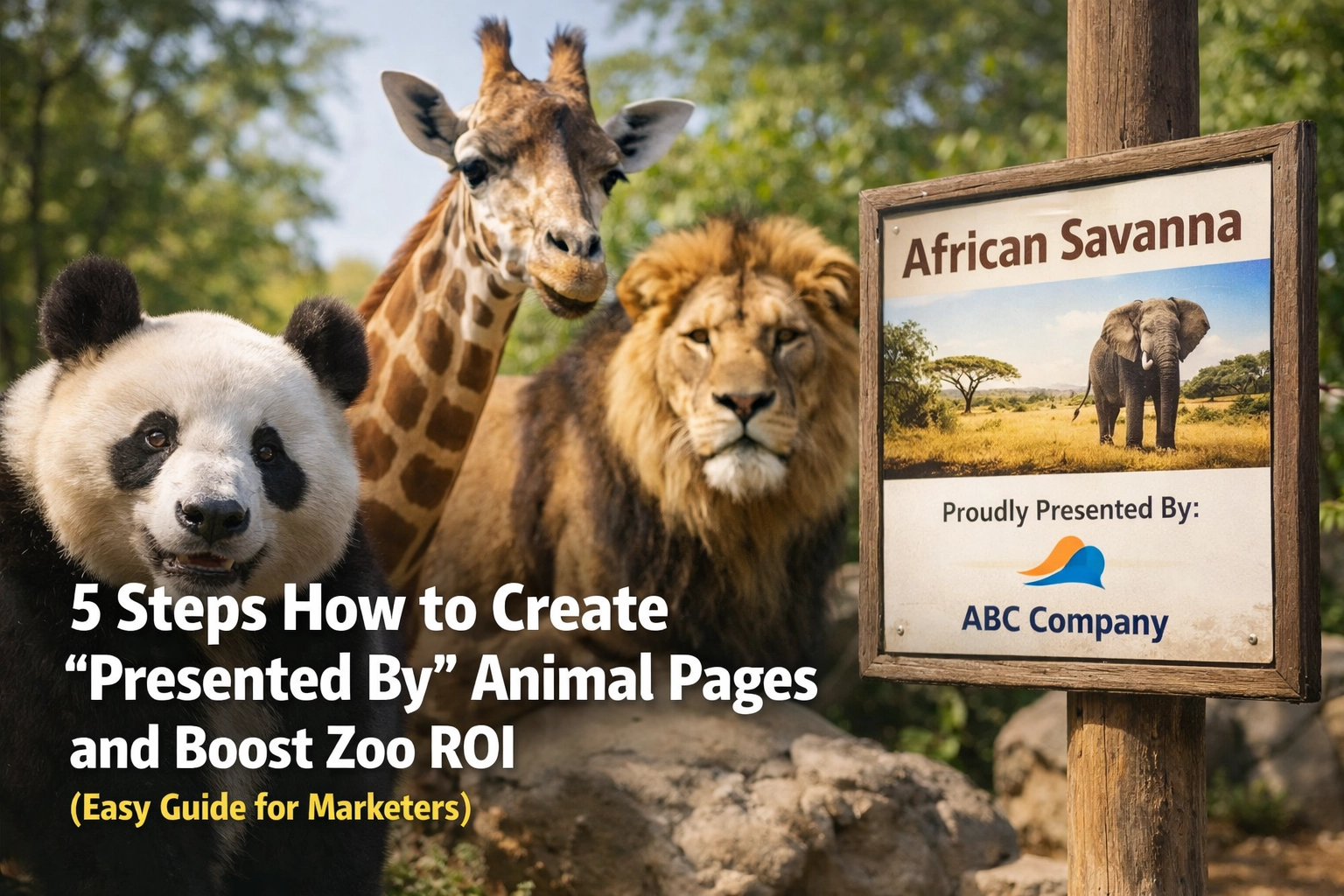
5 Steps How to Create “Presented By” Animal Pages and Boost Zoo ROI (Easy Guide for Marketers)
Revenue matters. Conservation costs money. Most zoos rely on gate receipts and gift shop sales. These are traditional. They are also limited by weather, season, and physical capacity.
Digital real estate is different. It is infinite.
"Presented By" animal pages turn your website into a high-value asset. You connect a corporate sponsor with a specific animal. The sponsor gets brand alignment with conservation. The zoo gets a recurring revenue stream. The visitor gets a better experience.
It works because it is simple.
Here is how to build these pages and boost your ROI in five steps.
1. Choose Your Star Species
Not every animal is a marketing lead. Some species have a higher "pull" than others. You need animals that evoke emotion.
Start with your "A-List" animals. These are the heavy hitters.
- Pandas
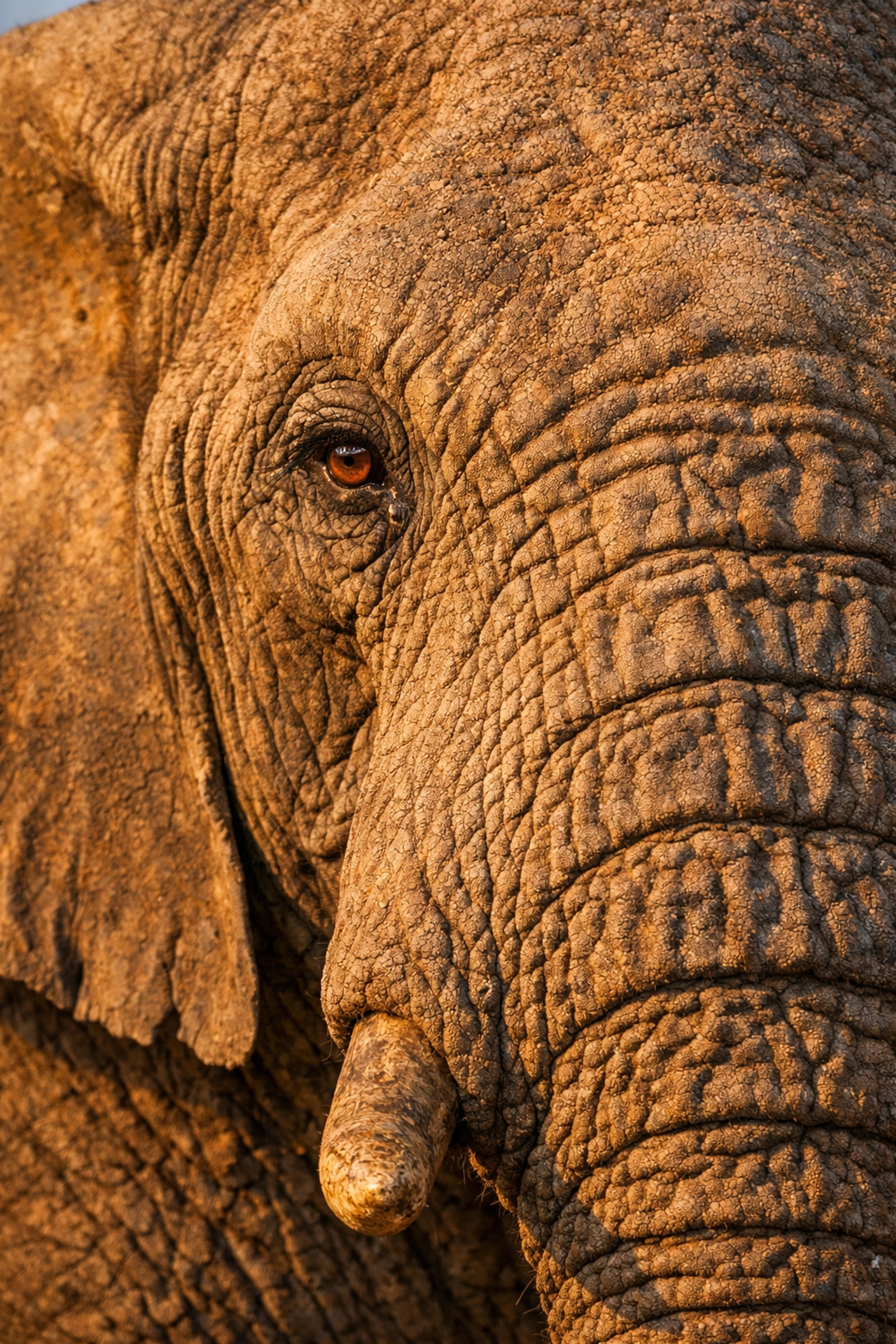
- Elephants
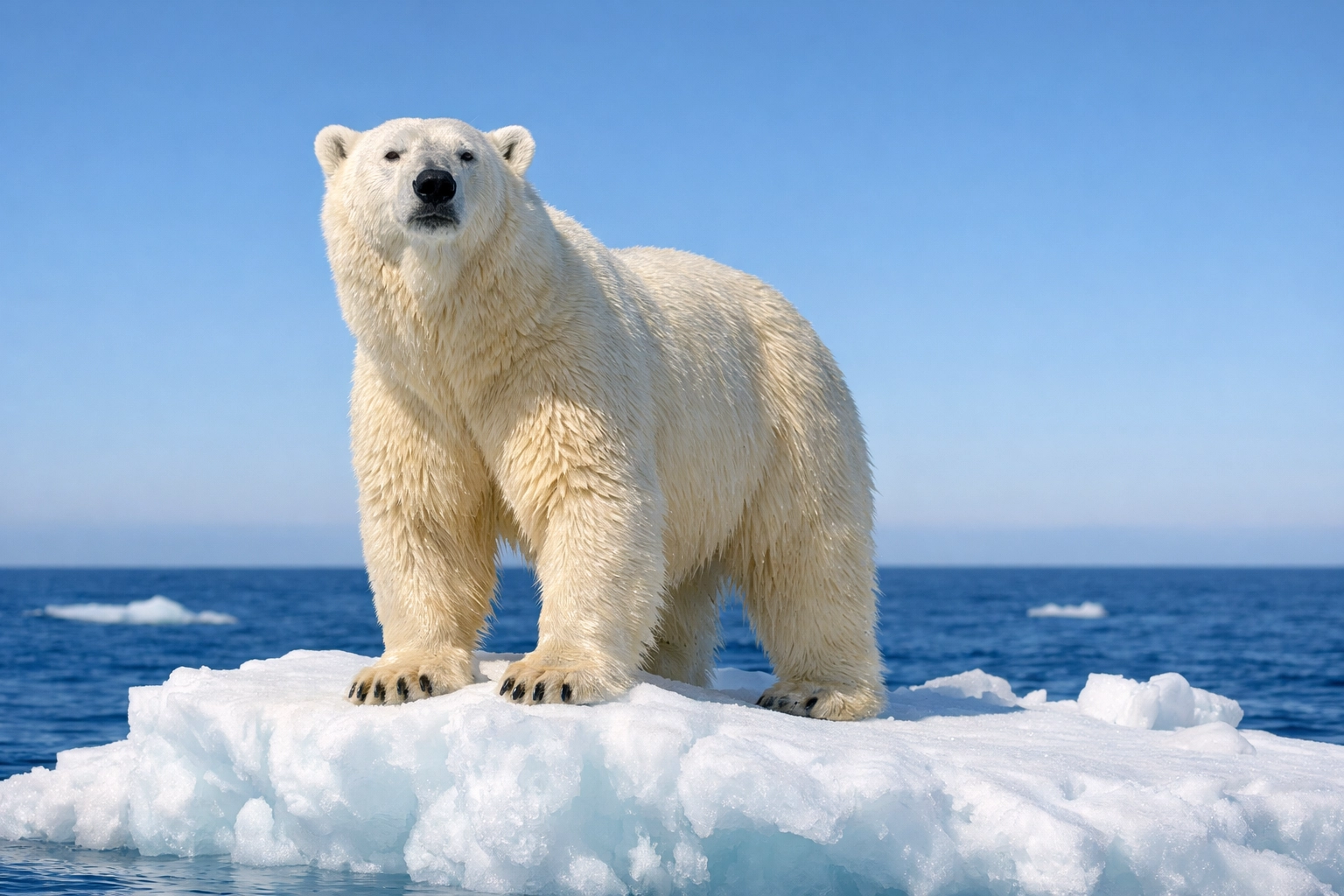
- Polar Bears
- Big Cats
These animals drive the most traffic. They are the easiest to sponsor.
Don't ignore the underdogs. Sometimes a specific animal has a story. A rescued hyena or a rare bird can be just as powerful if the narrative is right.
Look at your web traffic. Which animal pages get the most hits? Look at your social media. Which animal photos get the most likes? Use this data. Don't guess.
Select five species to start. Focus on quality over quantity.

2. Source High-Quality Imagery
A "Presented By" page lives or dies by its visuals. Low-quality photos kill the deal. If a sponsor is paying to be associated with an animal, that animal must look majestic.
Phone photos are fine for social media. They are not fine for a sponsored page.
You need professional stock photography.
- High resolution.
- Clear focal points.
- Natural lighting.
- Emotional connection.
This is where we help.

At Zoo Imagery, we provide the assets that make these pages look professional. A sponsor wants to see their logo next to a world-class photograph. It reflects their brand standards.
Good imagery builds trust. It makes the "Presented By" banner look like a partnership, not an advertisement. Keep the layout clean. Let the photo do the heavy lifting.
3. Secure the Right Sponsor
Alignment is everything. You aren't just selling ad space. You are selling a shared value.
Identify local and national businesses with a connection to the species.
- A cold-storage company might sponsor polar bears.
- A local bank might sponsor a "savings" message via a long-lived animal.
- A tech company might sponsor a highly intelligent species.
Avoid generic pitches. Show them the value.
- Reach: Monthly website visitors.
- Brand Sentiment: Association with wildlife conservation.
- Engagement: Time spent on the animal page.
Companies today care about social responsibility. They need ways to show they care about the planet. A sponsored species spotlight is a tangible, visible way for them to do that.
Keep the pitch direct. Tell them the cost of care. Tell them the reach. Let the data speak.
4. Build the Digital Experience
The page structure must be simple. Don't clutter it with pop-ups or sidebars.
A successful "Presented By" page includes four elements:
The Hero Section
The high-quality animal photo. The sponsor logo. A clear "Presented by [Company Name]" statement. This should be the first thing the user sees.
The Animal Story
Use simple language. Skip the technical jargon. Tell the user about the animal's personality. If the animal has a name, use it. People connect with individuals, not just species.
- Birth date.
- Favorite food.
- Unique quirks.
- Conservation status.
The Impact Statement
Tell the reader what the sponsorship does. "This partnership helps fund the daily nutrition and veterinary care for our elephant herd." This makes the ROI clear for the donor and the sponsor.
The Call to Action (CTA)
Every page needs a goal.
- "Donate to help this species."
- "Visit the habitat today."
- "Follow us for more updates."
Keep the design mobile-friendly. Most visitors check zoo sites on their phones while they are walking through the park.
5. Track, Report, and Optimize
ROI is about results. You must prove the page works to keep the sponsor.
Track these metrics:
- Page Views: How many people saw the sponsor's logo?
- Dwell Time: How long did they stay?
- Click-Through Rate: Did they click the "Learn More" or "Donate" buttons?
- Social Shares: How many times was the page shared from the site?
Report these numbers to your sponsor quarterly. Use plain language.
"Your logo was seen by 50,000 people this month. Average engagement time was 2 minutes."
Optimization is constant. If a page isn't performing, change the photo. If people aren't clicking the CTA, move it higher.
ROI isn't just about the initial sponsorship fee. It's about the long-term partnership. A happy sponsor is a repeat sponsor.
Why This Matters Now
Marketing in the zoo industry is changing. We are moving away from simple "support us" pleas. We are moving toward value-based partnerships.
"Presented By" pages allow you to monetize your existing digital traffic. You already have the animals. You already have the website. You just need the right structure and the right images.
It is a simple way to increase revenue without increasing gate prices. It provides a platform for conservation storytelling that brands want to be part of.
At Zoo Imagery, we believe in keeping it simple. High-quality visuals. Clear messaging. Better ROI.
If you need professional imagery to launch your first "Presented By" animal page, we can help. Our library is built specifically for this purpose.
Keep it direct. Keep it simple. Let the animals lead.
Ready to boost your zoo's ROI?
Visit zooimagery.com to browse our collection of high-impact animal photography.
You can also connect with us on LinkedIn for more tips on zoo marketing and digital strategy.
Let's tell better stories together.


