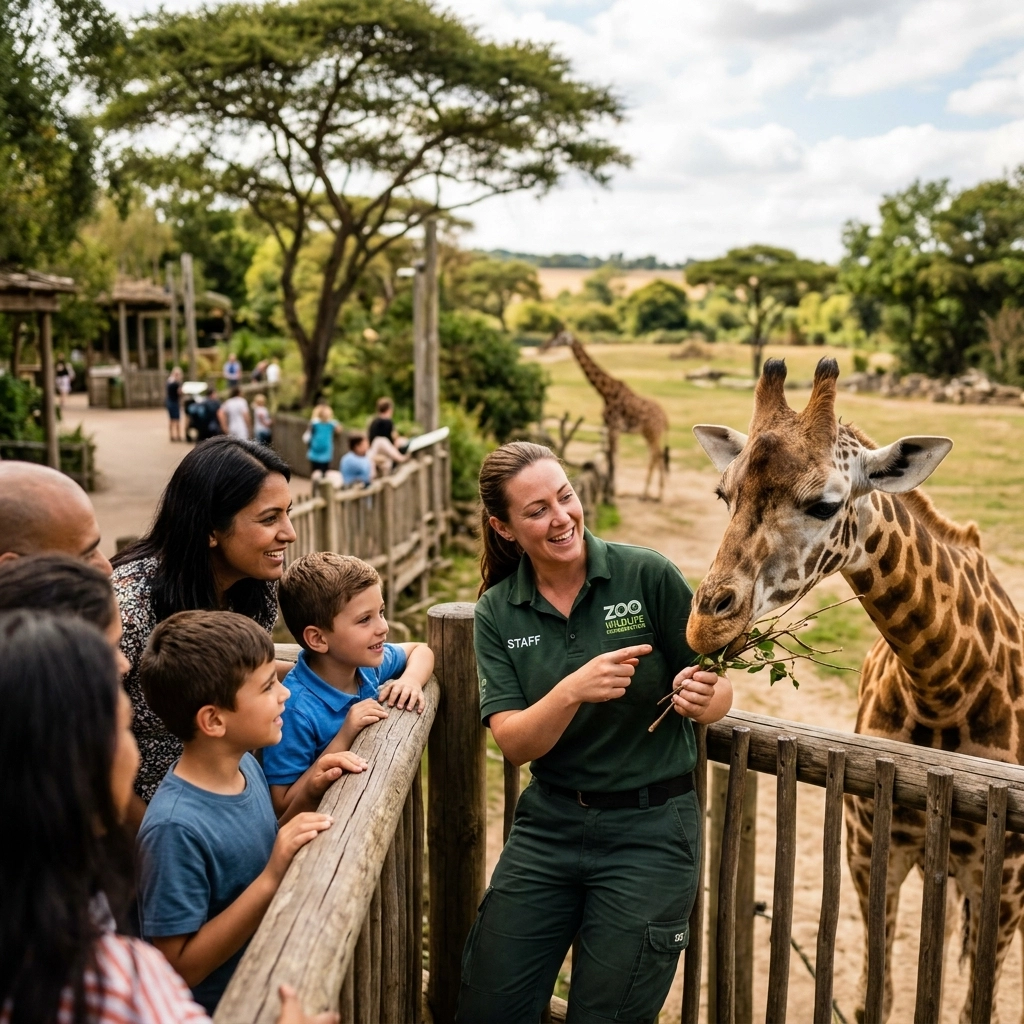
15 Zoo Animal Photos to Help You Connect Guests with Wildlife Conservation Efforts
Visuals matter. In the world of conservation, a single image often does more than a page of text. Guests visit zoos to see animals, but they stay to learn how to save them. High-quality photography bridges that gap. It turns a casual visitor into a lifelong advocate.
At Zoo Imagery, we focus on the power of the portrait. We provide the media that tells the story of survival. As of April 2026, our library has grown to include over 8,000 specialized species assets. We’re helping facilities worldwide turn digital media into real-world action.
Here are 15 zoo animal photos: and the stories behind them: that help guests connect with wildlife conservation.
1. The African Elephant: The Giant’s Perspective
An elephant’s eye tells a story of intelligence and memory. High-resolution photos of elephants allow guests to see the texture of their skin and the depth of their gaze.
Conservation Story: Focus on the ivory crisis. Use close-up imagery to highlight the physical majesty of the animal. It makes the thought of their loss personal.
Application: Large-scale signage at habitat entrances.
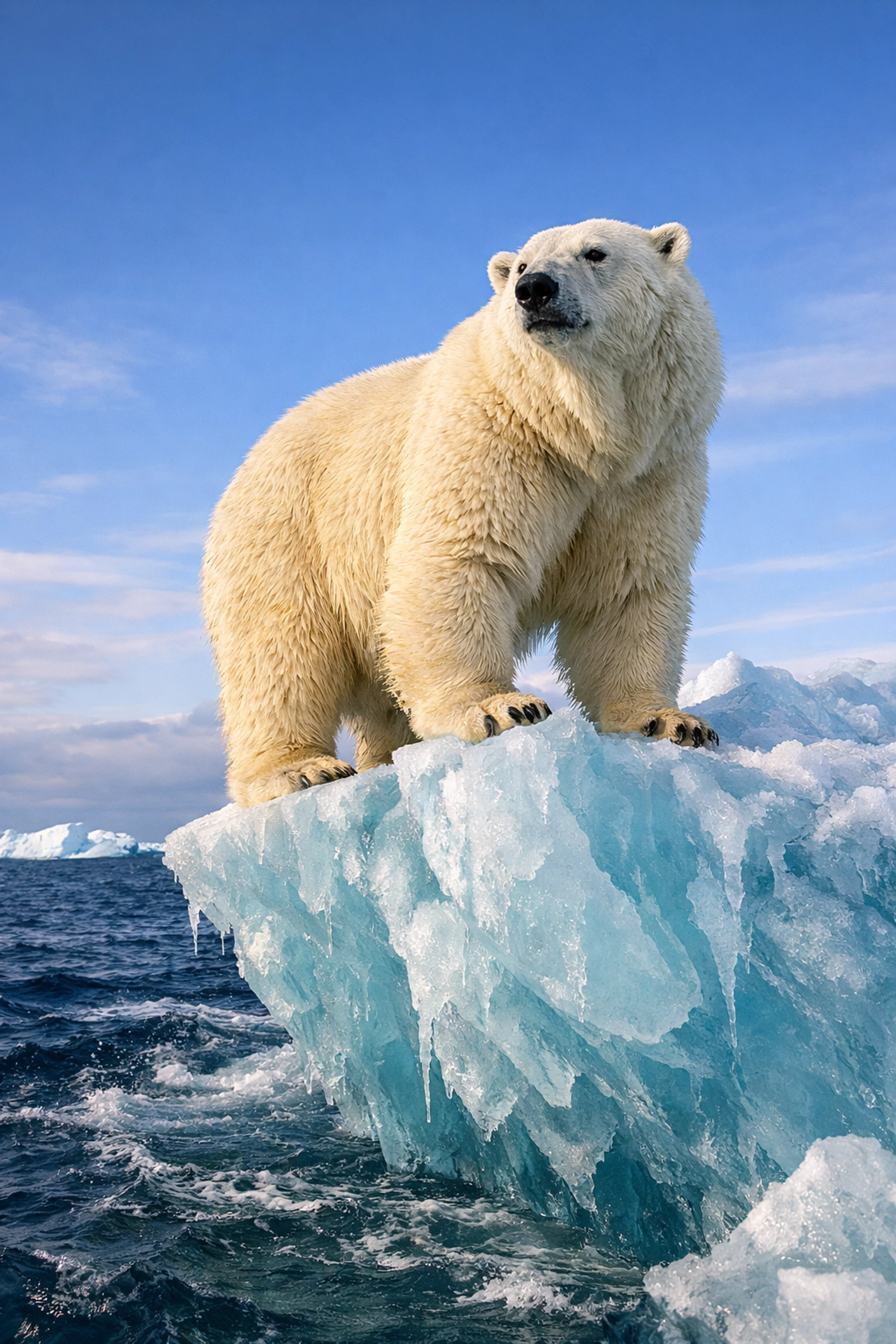
2. The Polar Bear: Symbols of the North
The polar bear is the face of climate change. A photo of a bear on ice: or even swimming in a zoo's aquatic habitat: sparks immediate recognition of melting sea ice.
Conservation Story: Focus on carbon footprint reduction. Simple imagery of a bear’s power helps guests value the cold-weather ecosystems.
3. The Wild Tiger: Pattern and Protection
No two wild tigers have the same stripes. This fact alone fascinates guests. Detailed photography highlights their role as apex predators.
Conservation Story: Anti-poaching efforts. Tigers represent the health of the entire forest. If the tiger thrives, the forest thrives.
4. The Red Panda: High-Altitude Recovery
Red pandas are often the most popular animals in a zoo. Their visual appeal is a gateway to discussing habitat recovery in the Himalayas.
Conservation Story: Discuss the impact of natural disasters on red panda populations. Use imagery that shows them in their arboreal element.
5. The Atlantic Puffin: Ocean Health
Puffins are charismatic. They are also vital indicators of ocean health and the success of breeding programs.
Conservation Story: Coastal protection. Photography showing puffins with fish in their beaks illustrates the health of our fisheries.
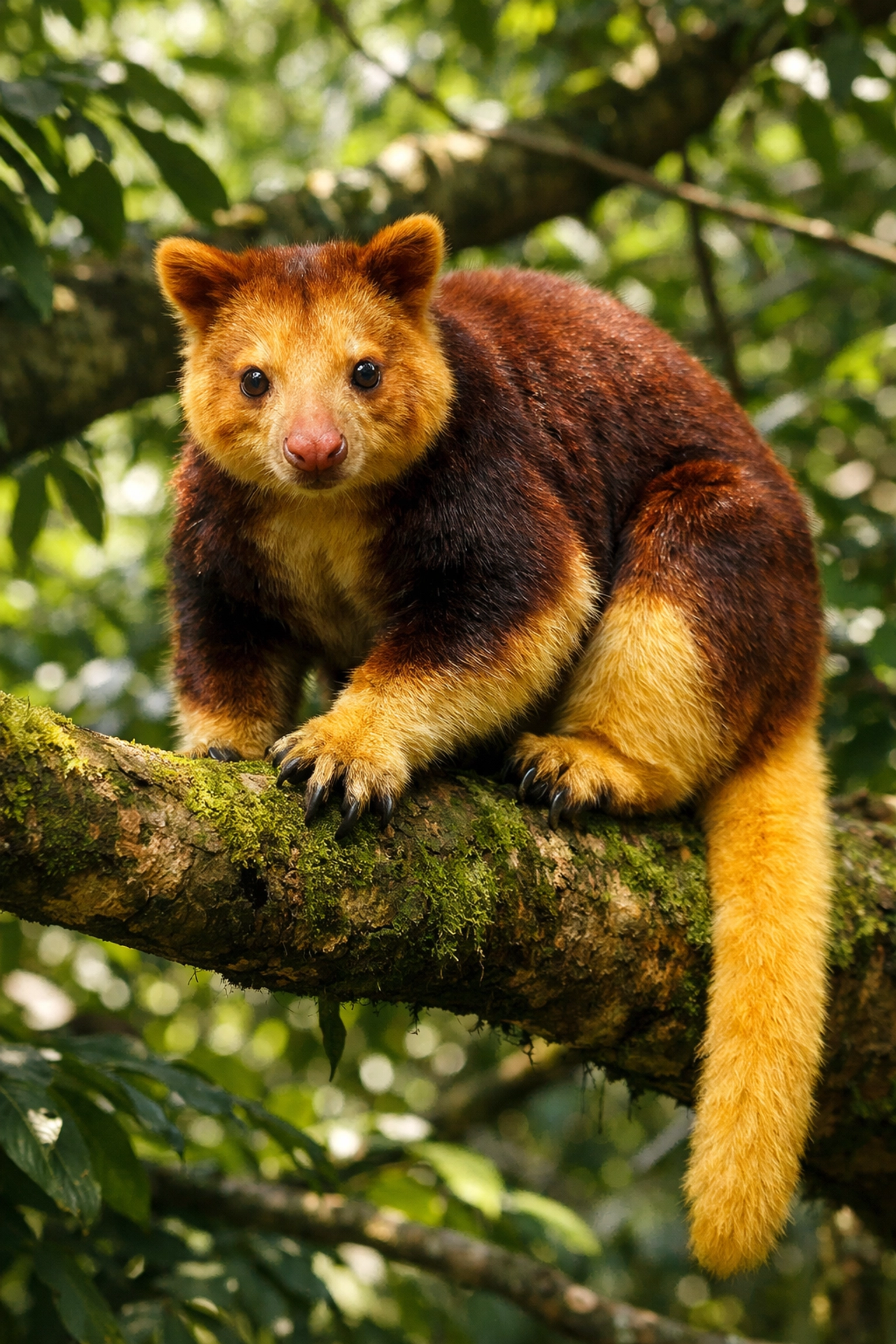
6. Matschie’s Tree Kangaroo: Success in the Canopy
These unique marsupials are a success story for Species Survival Plans (SSP). Most guests have never seen one.
Conservation Story: Captive breeding success. Use photos to introduce guests to species they didn't know existed.
7. The Spotted Hyena: Myths vs. Reality
Hyenas suffer from a bad reputation. Quality photography can change that. It shows their social complexity and importance to the ecosystem.
Conservation Story: Biodiversity and the role of scavengers. Photos of hyena clans help humanize an often-misunderstood species.
8. The California Condor: Back from the Brink
The condor is a miracle of modern conservation. From 27 individuals to over 500.
Conservation Story: The power of the Species Survival Plan. Use wide-angle shots to show their massive wingspan: a visual representation of freedom and recovery.
9. The Sea Otter: The Kelp Forest Guardian
Rescued sea otters provide a direct link to local conservation efforts.
Conservation Story: Keystone species. Otters keep sea urchin populations in check, which protects kelp forests. One photo of an otter "grooming" can drive a hundred donations for ocean cleanup.
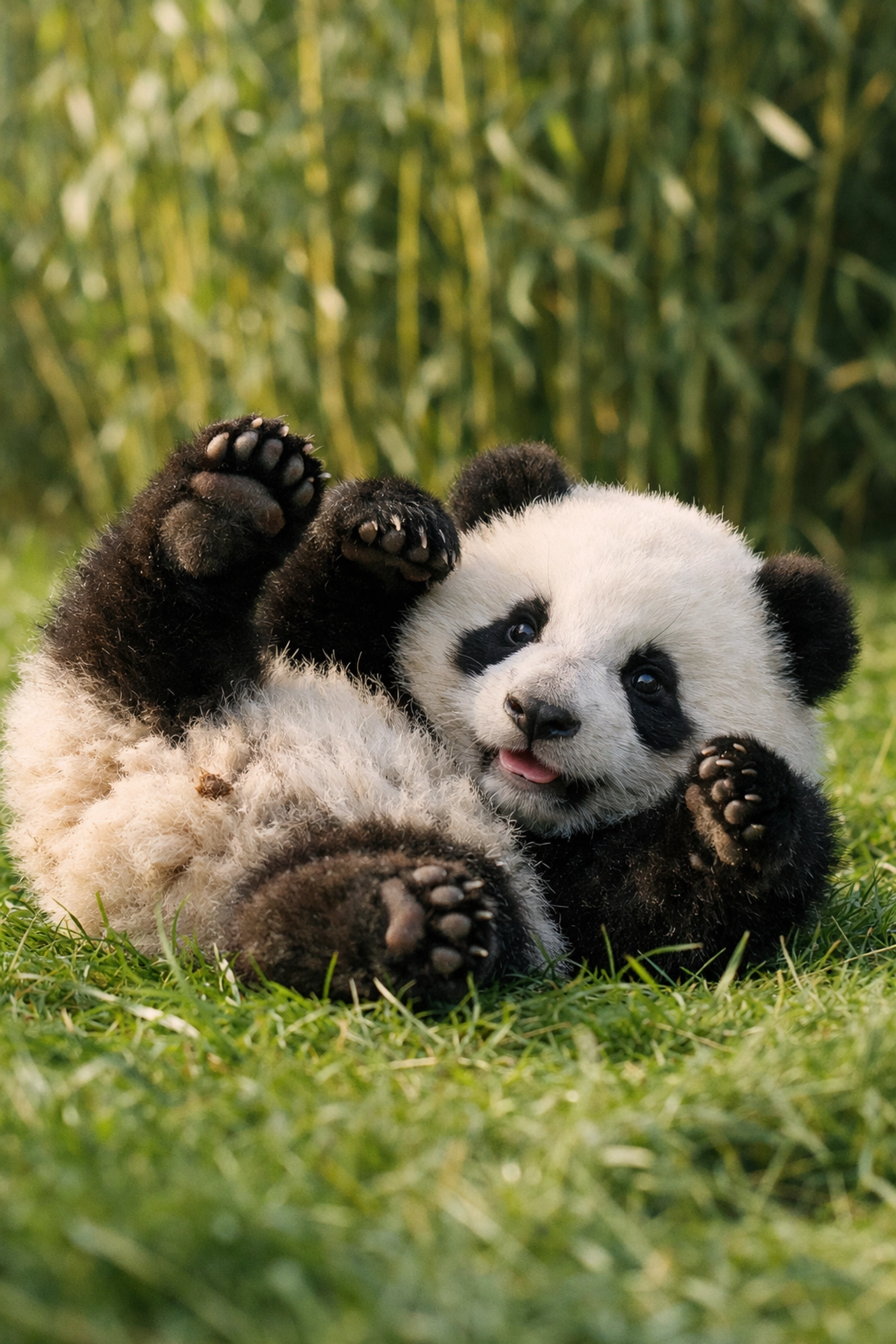
10. The Giant Panda: Diplomacy in Fur
Pandas are global symbols of conservation. Their presence in a zoo is a massive opportunity for storytelling.
Conservation Story: International collaboration. Photos of panda cubs represent hope and the long-term commitment of multiple nations working together.
11. The Black-Footed Ferret: The Hidden Success
Small, nocturnal, and once thought extinct. These ferrets are proof that we can fix what we broke.
Conservation Story: Reintroduction programs. Photos of ferrets being prepared for release into the wild are incredibly moving for guests.
12. The Red Wolf: A Local Legend
The red wolf is one of the most endangered canids in the world. They are a strictly American species, making their survival a point of national pride.
Conservation Story: Habitat restoration in the Southeast. Use photos that show their wary, intelligent nature to build respect for native predators.
13. The Sumatran Orangutan: The Person of the Forest
Orangutans share 97% of our DNA. Their hands, their eyes, their expressions: they are mirrors of ourselves.
Conservation Story: Sustainable palm oil. A photo of an orangutan mother and infant is the most effective tool for changing consumer behavior.
14. The Snow Leopard: The Ghost of the Mountain
Elusive and rare. High-quality zoo photos provide the only glimpse many people will ever get of this cat.
Conservation Story: High-altitude climate resilience. Snow leopards represent the fragility of the "Third Pole" (the Himalayas).
15. The Blue-Throated Macaw: Color and Community
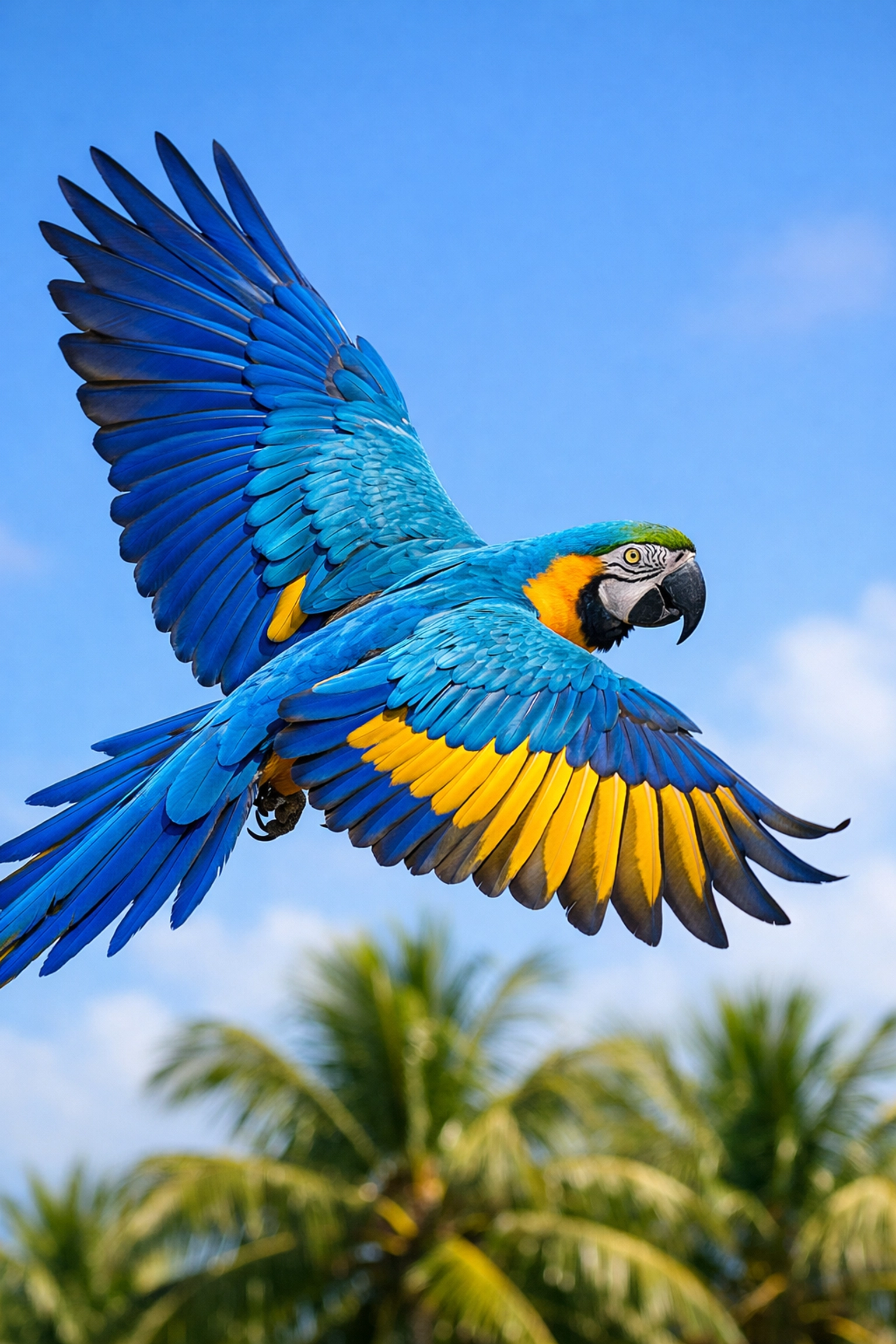
Birds are often the most colorful part of any zoo. The blue-throated macaw is a striking example of a species saved by dedicated field work.
Conservation Story: Community-led conservation. Photography showing the vibrant colors of the macaw highlights why these "flying jewels" are worth saving from the pet trade.
Why Photography Works
People protect what they love. They love what they understand. They understand what they can see.
Zoo Imagery provides the high-fidelity assets needed to make these connections. We don't just sell photos; we provide the visual components of a conservation strategy. Our work is simple: we capture the essence of the animal so you can capture the heart of the guest.
Company Milestone: 2026 and Beyond
This year marks a major shift for us at Zoo Imagery. We have expanded our digital media offerings to include ESG-aligned campaign materials. This helps our partners align their zoo's mission with global sustainability goals.
We’ve also streamlined our library access. Our goal is to make it as easy as possible for educators and marketing teams to find the exact species they need. Whether it's a wild tiger or a rare hyena, the right image is only a click away.
Species Spotlights and Storytelling
A photo of an animal in a vacuum is just an image. A photo of an animal presented with its conservation story is a tool.
When we curate our collections, we look for:
- Connection: Eye contact with the lens.
- Context: Elements of the animal's natural behavior.
- Clarity: Every whisker, feather, and scale visible.
This level of detail matters. It shows the animal as an individual, not just a representative of a species. That individuality is what guests remember when they leave.
The Impact of Visual Media
- Increased Engagement: Social media posts with professional animal photography see 3x more engagement than stock-style or low-quality images.
- Educational Retention: Guests are 65% more likely to remember a conservation fact if it is paired with a relevant, high-impact photo.
- Donor Support: Emotional, high-quality portraits are proven to increase "at-habitat" donations through digital kiosks.

Moving Forward
Conservation is a long game. It requires patience, data, and constant communication. Photos are the simplest form of that communication.
At Zoo Imagery, we are proud to support the zoos, aquariums, and sanctuaries doing the hard work. We stay behind the lens so you can stay at the forefront of wildlife protection.
Connect with us.
Explore our full library of species assets at zooimagery.com.
For updates on our latest species additions and conservation milestones, follow our journey on LinkedIn.
Simple imagery. Real impact. Let's tell the story of wildlife together.


