
10 Reasons Your Zoo Animal Photos Aren’t Working (And How to Fix It)
Most zoo photos are just decoration. They look nice. They get likes. They do nothing else.
If your photography isn't driving visitor engagement or supporting conservation goals, it's failing. You need images that work as hard as your keepers do.
Here are the 10 reasons your photos are falling flat and exactly how to fix them.
1. Shooting Animals Alone
A photo of an animal in a void is just a postcard. It lacks human connection. It lacks a story of care.
The Fix: Include your team.
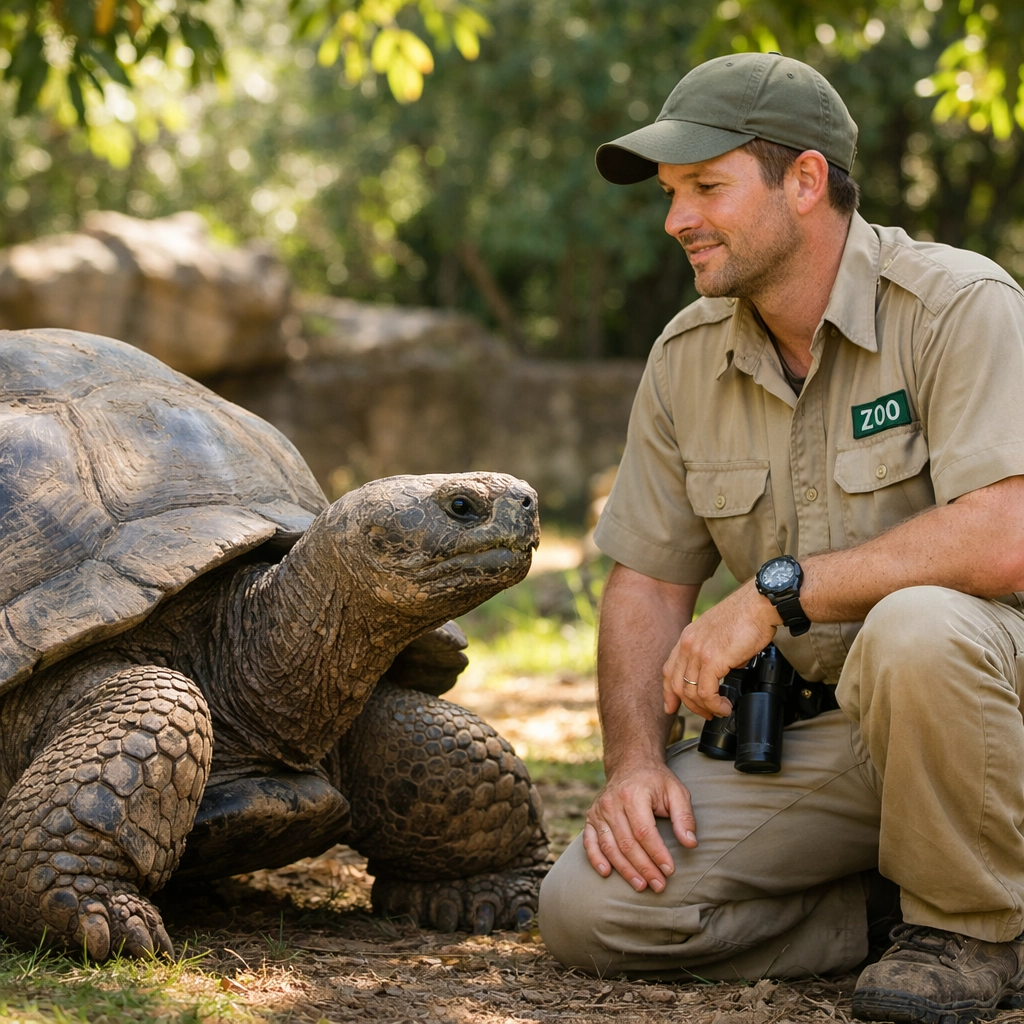
Include uniformed keepers in the frame. It signals expertise. It shows the daily bond between humans and wildlife. Visitors want to see the people behind the species.
2. Humans Are Too Close
There is a fine line between professional care and looking like a pet owner. When humans are too close or touching animals unnecessarily, the message gets muddled. Viewers stop thinking about conservation. They start thinking about ownership.
The Fix: Maintain visible distance.
Show professional interaction. Use long lenses to capture keepers working within the habitat without crowding the animal. Let the distance emphasize respect for the species.
3. Missing the Zoo Context
Generic "wild" shots are confusing. If a photo looks like it was taken in the Serengeti but it's on your website, the viewer loses the connection to your specific facility. They don't see where their ticket money goes.
The Fix: Show the habitat.
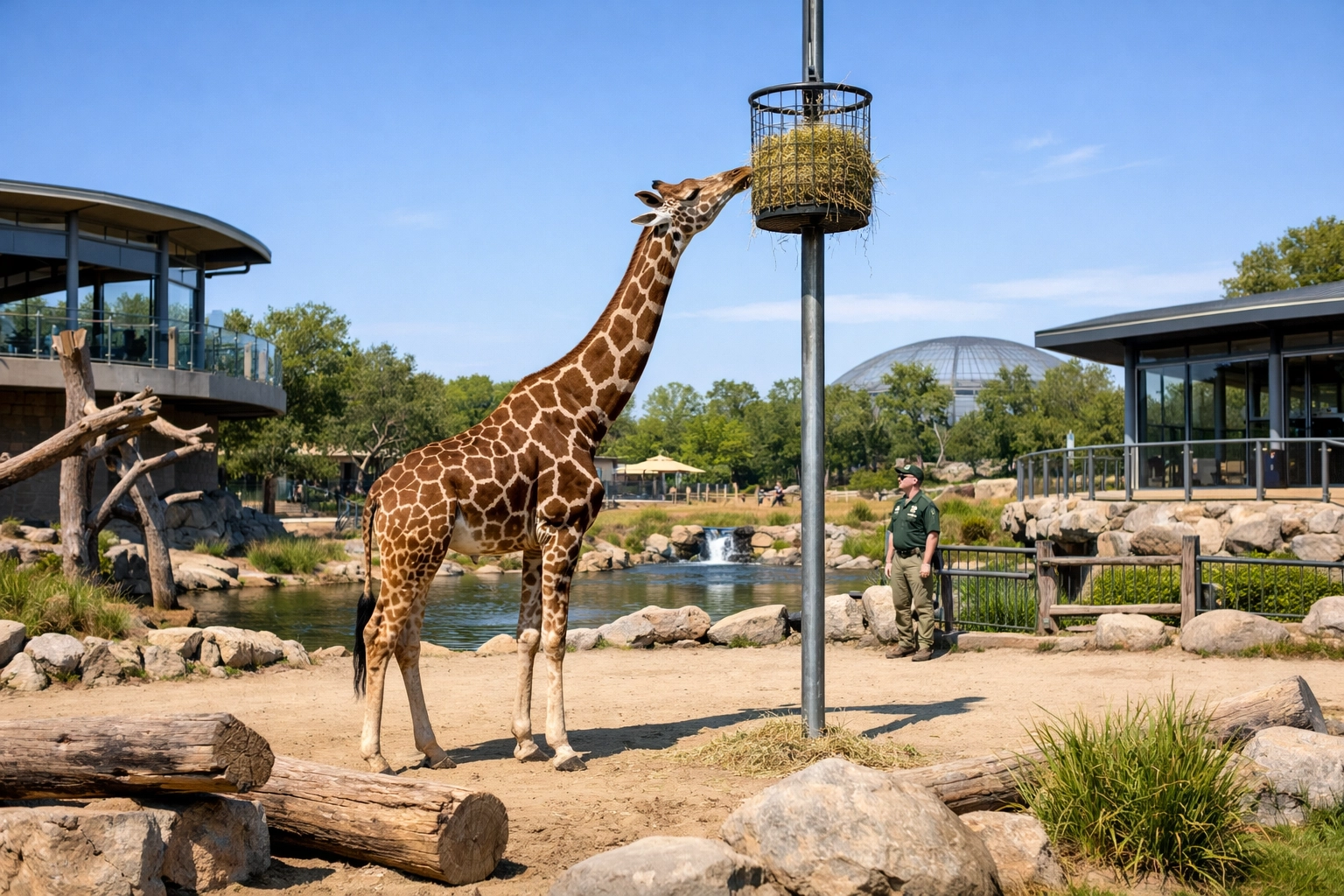
Don't hide the fences or the enrichment structures. Show the high-quality environments you've built. Highlighting your infrastructure builds trust. It shows your commitment to animal welfare.
Check out how we categorize these in our listing taxonomies.
4. No Educational Hook
A pretty picture is a missed opportunity. If the viewer looks and scrolls without learning one thing, the photo is just noise.
The Fix: Add a conservation layer.
Pair every image with a fact. Connect the photo to a "Presented by" animal page. Use the visual to anchor a specific message about species status or care practices.
5. Animals Look Unnatural
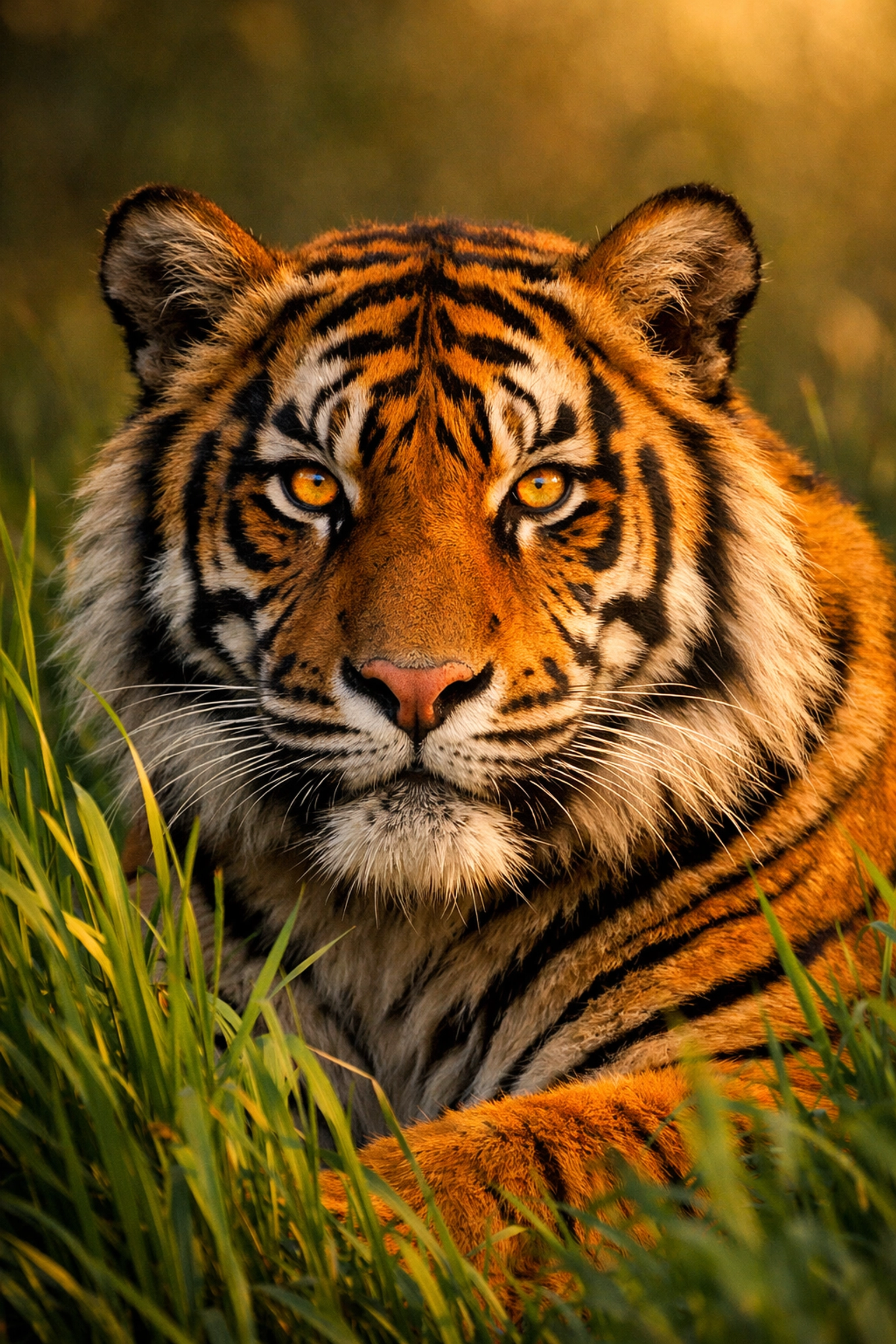
Posed or "perfect" shots often feel clinical. They lack life. If every photo looks like a studio portrait, you lose the raw essence of the animal.
The Fix: Capture natural behaviors.
Focus on enrichment activities. Capture the nap. Capture the messy eating. These authentic moments drive much higher engagement because they feel real. People want to see animals being animals.
Take a look at our elephants collection for examples of movement and behavior.
6. Using Photo-Prop Settings
Props belong in a studio, not a zoo. When animals are surrounded by unnatural objects for the sake of a "cute" photo, it erodes the professional image of your institution.
The Fix: Ditch the props.
Focus on naturalistic enrichment. A hollow log is better than a plastic toy. A frozen treat is better than a birthday hat. Keep the setting genuine to the animal's needs.

7. No Uniformed Staff Visible
Your staff are your brand ambassadors. When they are absent from your visual story, you are missing a massive layer of credibility.
The Fix: Make the uniform a focal point.
The zoo uniform is a badge of trust. It differentiates a professional facility from a roadside attraction. Ensure your marketing materials include staff in their gear. It reinforces the idea that these animals are under expert care 24/7.
8. Missing Conservation Messaging
If your photos only focus on the "cute" factor, you are failing your mission. Every image should be a gateway to a larger conversation about the planet.
The Fix: Sponsored Species Spotlights.
Use your photography to fuel "Presented by" pages. Link the photo of a polar bear directly to its conservation status. Make the photo the beginning of a donor journey.
9. Wrong Image Quality for Digital Use
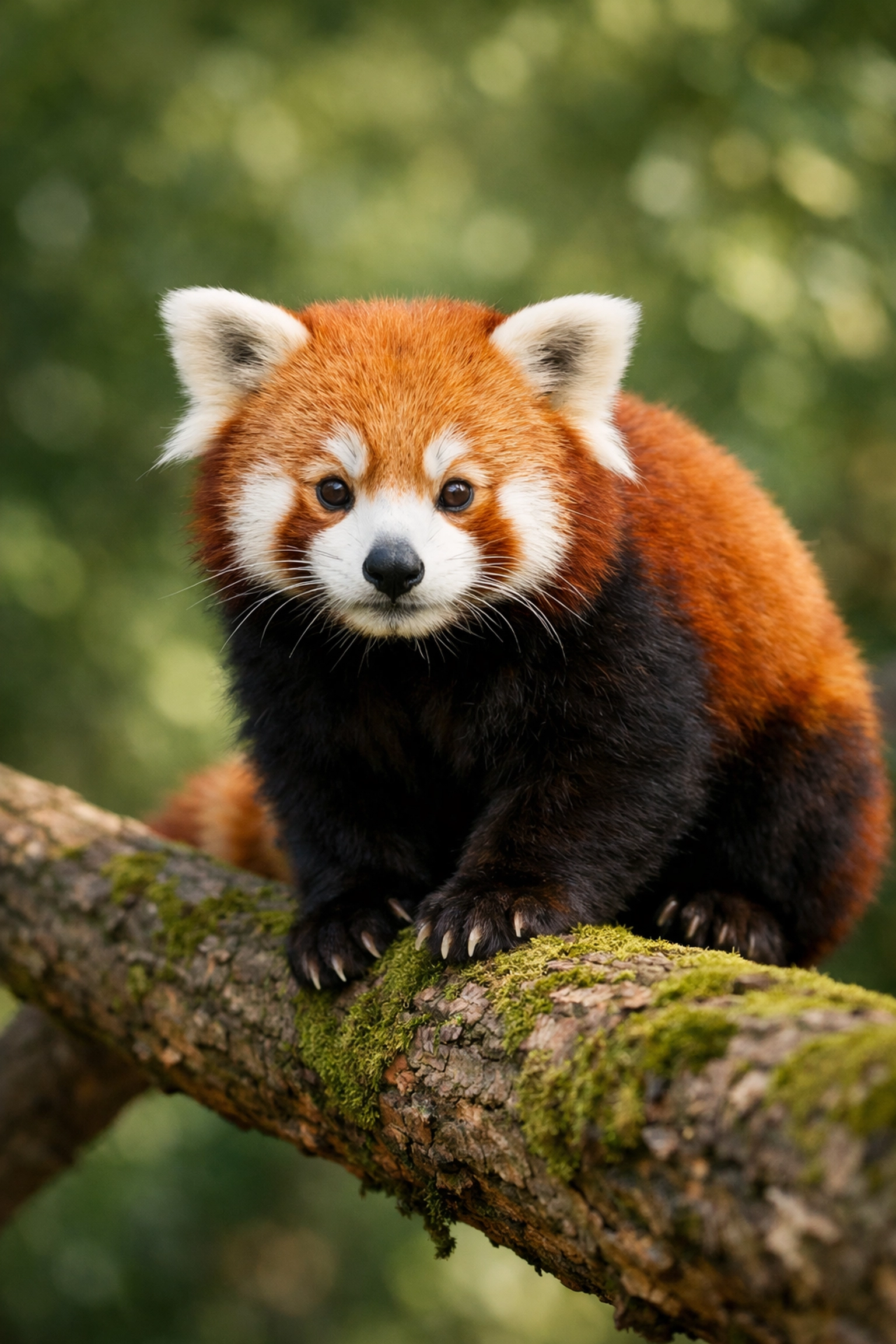
Blurry, pixelated, or poorly cropped images kill your professional standing instantly. If you can't manage a sharp photo, people wonder if you can manage a species.
The Fix: Professional stock photography.
Use high-resolution, digitally optimized assets. Your website needs to look as good on a phone as it does on a desktop. Don't settle for "good enough."
Explore our latest posts to see how high-quality assets change the narrative.
10. No Clear Next Step
The biggest mistake is the "Dead End Photo." A user sees a great shot of a hyena, likes it, and then… nothing.
The Fix: A clear call to action.
Every post, every gallery, and every spotlight needs a path forward.
- "Learn more about our conservation work."
- "Visit our 'Presented by' page."
- "See more birds here."
Why Strategy Matters More Than the Shutter
At Zoo Imagery, we don't just take pictures. We create tools.
The goal isn't to have a pretty Instagram feed. The goal is to create a digital ecosystem where every animal has a voice and every visitor has a reason to support your mission.
The "Presented by" Approach
We focus heavily on creating "Presented by" animal pages. Why? Because it bridges the gap between a viewer and a species. When a local business sponsors a species spotlight, they need world-class imagery to represent their commitment.
If your photos are grainy or lack context, those sponsors won't see the value.
Your Visual Checklist
Before you post your next photo, ask:
- Does this show our staff?
- Is the habitat visible?
- Is there a conservation fact attached?
- Is there a clear next step for the viewer?
If the answer is no, your photo isn't working yet.
Better Imagery. Better Conservation.
The world moves fast. People scroll even faster. You have less than a second to grab someone’s attention and even less time to earn their trust.
High-quality, strategic animal photography isn't a luxury. It’s a requirement for modern zoos and aquariums. It’s how you tell your story when you aren’t there to speak it.
Simple. Direct. Professional.
Stop posting photos that just sit there. Start posting photos that build your brand and protect your species.
Ready to upgrade your visual assets?
Visit zooimagery.com to explore our library and see how we can help you tell a better story.
Follow us on LinkedIn for more tips on digital media and zoo marketing.


