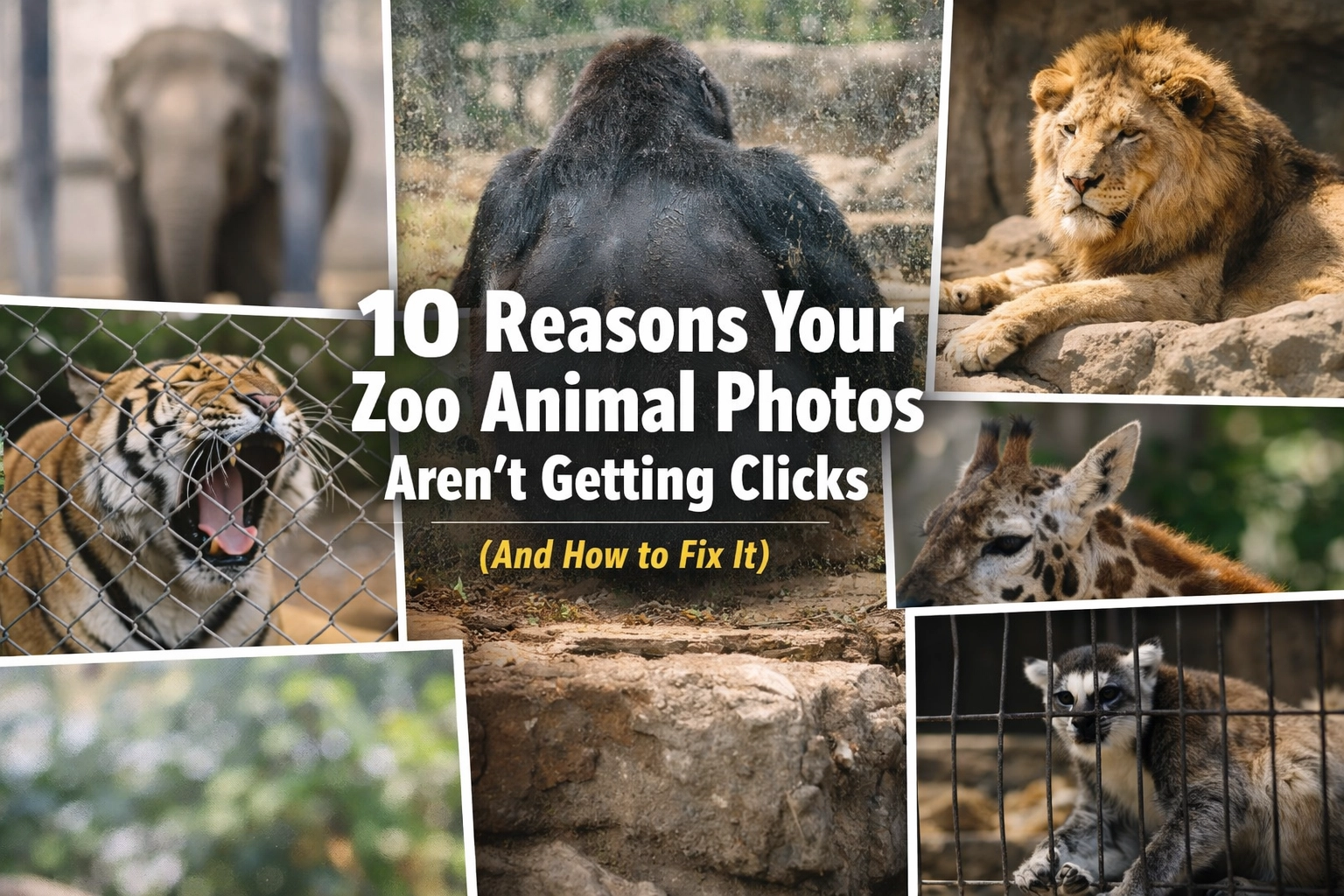
10 Reasons Your Zoo Animal Photos Aren’t Getting Clicks (And How to Fix It)
Everyone takes photos at the zoo. Very few get noticed. If you are shooting for stock libraries or managing a "Presented by" animal page, your images need to work harder. They need to stop the scroll.
Most zoo photography is flat. It looks like a tourist snapshot. To get clicks, you need professional digital media standards.
Here are the 10 reasons your photos are underperforming and how to fix them today.

1. You are shooting from a human height
Most people stand and click. This creates a "looking down" perspective. It feels detached. It makes the animal look small and captured.
The Fix:
- Get to eye level.
- Crouch. Kneel. Sit on the ground.
- Match the animal's horizontal plane.
- Result: Intimacy and a "wild" feeling.
When a viewer looks an animal in the eye, they stay on the page longer. This is vital for sponsored species spotlights.
2. Distracting backgrounds
A beautiful lion loses its impact if there is a green trash can or a chain-link fence behind it. Cluttered backgrounds scream "zoo." People want "imagery."
The Fix:
- Use a wide aperture (f/2.8 or f/4).
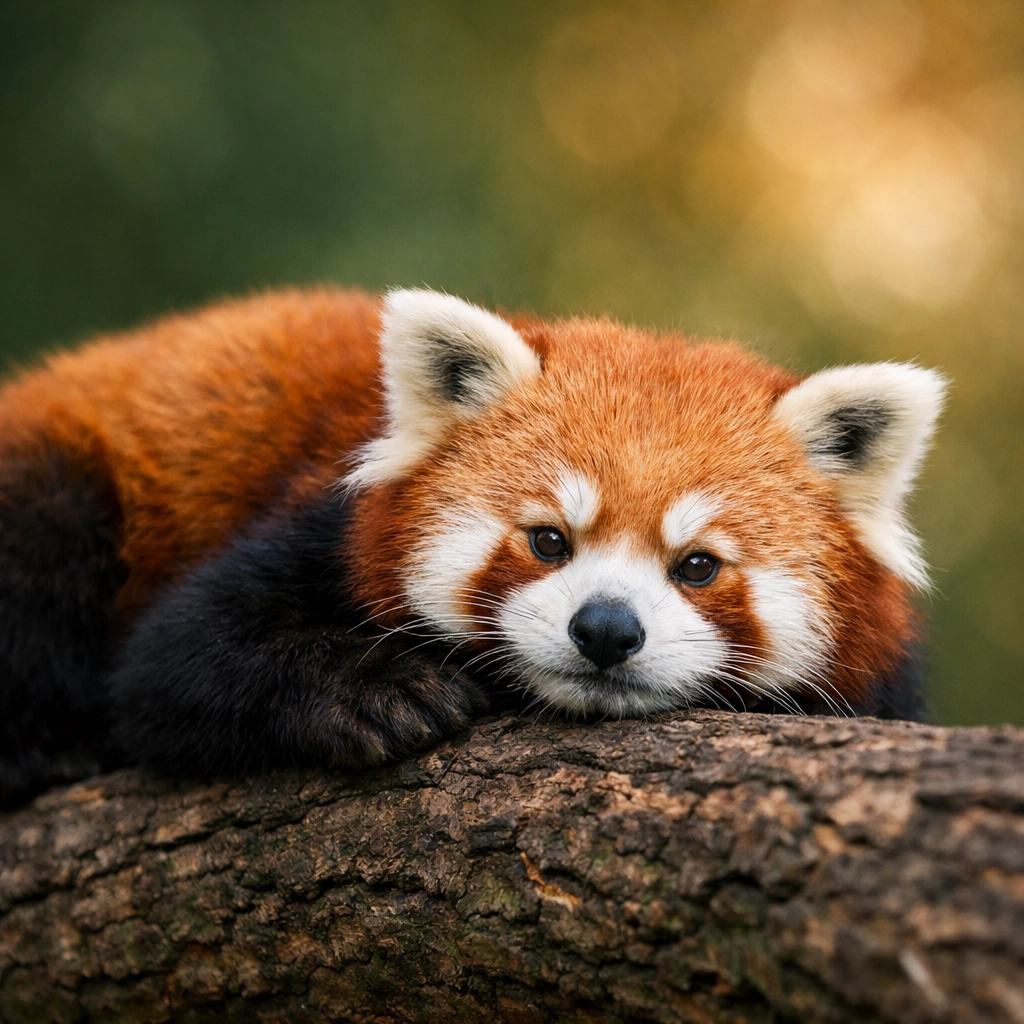
- Blur the background into a soft wash of color.
- Wait for the animal to move away from the fence.
- The further the animal is from the background, the better the blur.
3. Glass glare and reflections
Shooting through enclosures is hard. Most photos end up with a ghost-like reflection of the photographer's t-shirt or the sun. It ruins the immersion.
The Fix:
- Press your lens hood directly against the glass.
- Use a rubber lens hood to seal out light.
- Shoot at a slight angle if the glass is scratched.
- Avoid using a flash: it will only bounce back at you.
Clean images are essential for high-quality stock photography. You can't sell a photo with a reflection of a "No Smoking" sign in the corner.
4. The subject is too small
Beginners try to capture the whole enclosure. The animal becomes a tiny dot in a sea of rocks and wood. This lacks emotional impact.
The Fix:
- Zoom in. Use a 70-200mm or 100-400mm lens.
- Focus on the face.
- Crop in post-production if necessary, but keep the resolution high.
- Fill 70% of the frame with the animal.
5. Harsh, mid-day lighting
High noon is the enemy of photography. It creates deep shadows in eye sockets and blown-out highlights on fur. It makes colors look washed out.
The Fix:
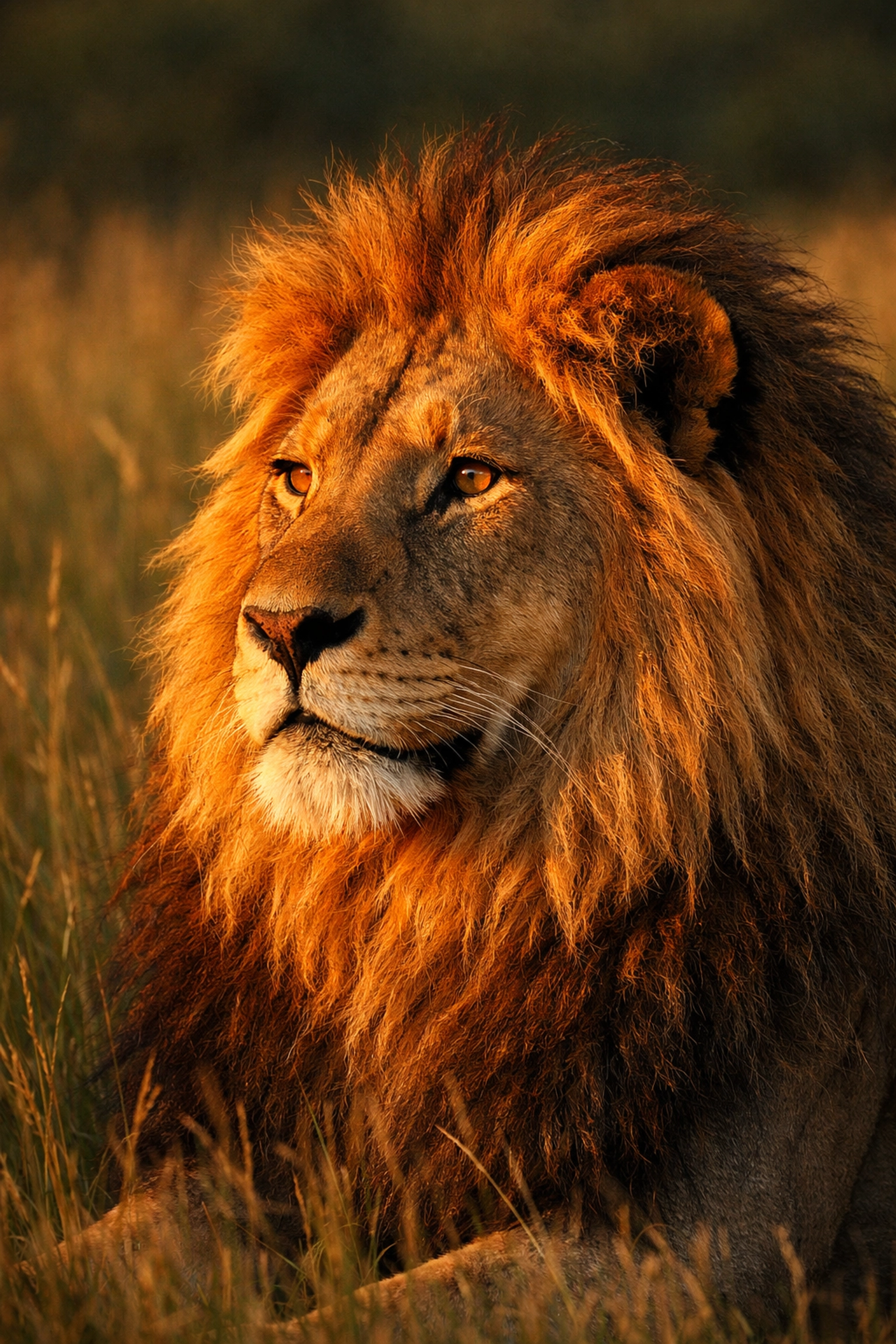
- Shoot during the "Golden Hour": early morning or late afternoon.
- Overcast days are your friend. Clouds act as a giant softbox.
- If it is sunny, find animals in the shade for even lighting.
- Position yourself so the sun is behind you or to the side.
6. Lack of patience
Most visitors spend 30 seconds at an exhibit. They take one photo and leave. The animal is likely sleeping or looking away.
The Fix:
- Stay for 20 minutes.
- Learn the animal's patterns.
- Wait for the "moment." A yawn. A look. A step.
- Check feeding times. Activity peaks when food arrives.
Patience is what separates stock photography from snapshots. Our best contributors at zooimagery.com often spend hours at a single enclosure.
7. Poor focus on the eyes
If the nose is sharp but the eyes are blurry, the photo is a fail. Humans naturally look at eyes first. If they aren't sharp, the viewer moves on.
The Fix:
- Use single-point autofocus.
- Aim specifically for the eye closest to the camera.
- On mirrorless cameras, use "Animal Eye Tracking" mode.
- Keep your shutter speed high (1/500s or faster) to avoid motion blur.
8. Man-made objects in the frame
Nothing kills a "sponsored species spotlight" faster than a concrete wall or a plastic feeding tub in the shot. It breaks the narrative of conservation storytelling.
The Fix:
- Reframe your shot to exclude man-made elements.
- Use the "natural" parts of the exhibit: rocks, logs, grass.
- If you can't move, use a tight crop.
- Check the edges of your frame before clicking.
9. Capturing only static poses
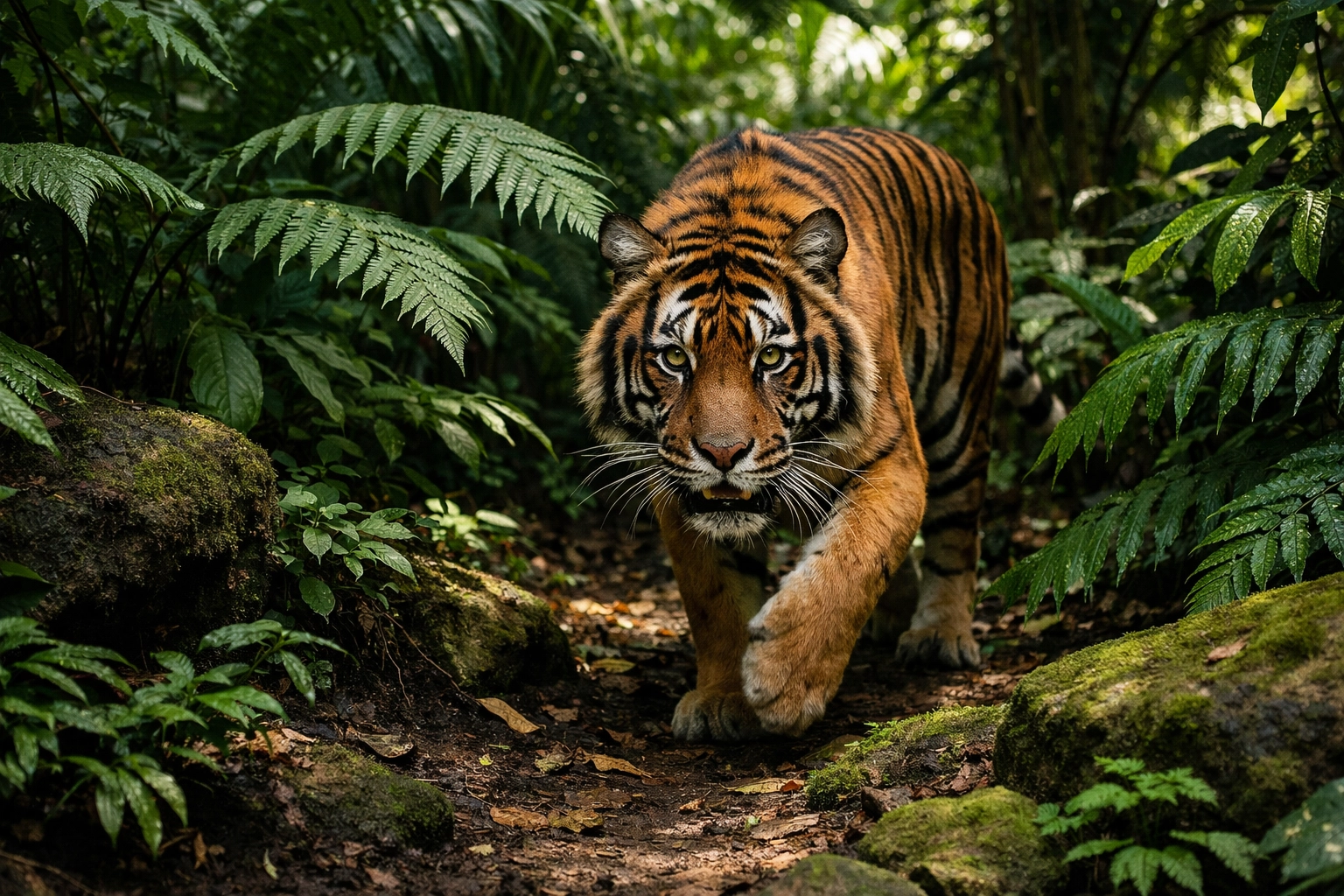
A photo of a sleeping animal is fine, but it doesn't get clicks. Interaction and movement drive engagement.
The Fix:
- Look for social behaviors. Grooming, playing, or feeding.
- Capture the "Presented by" sponsors' animals interacting with enrichment items.
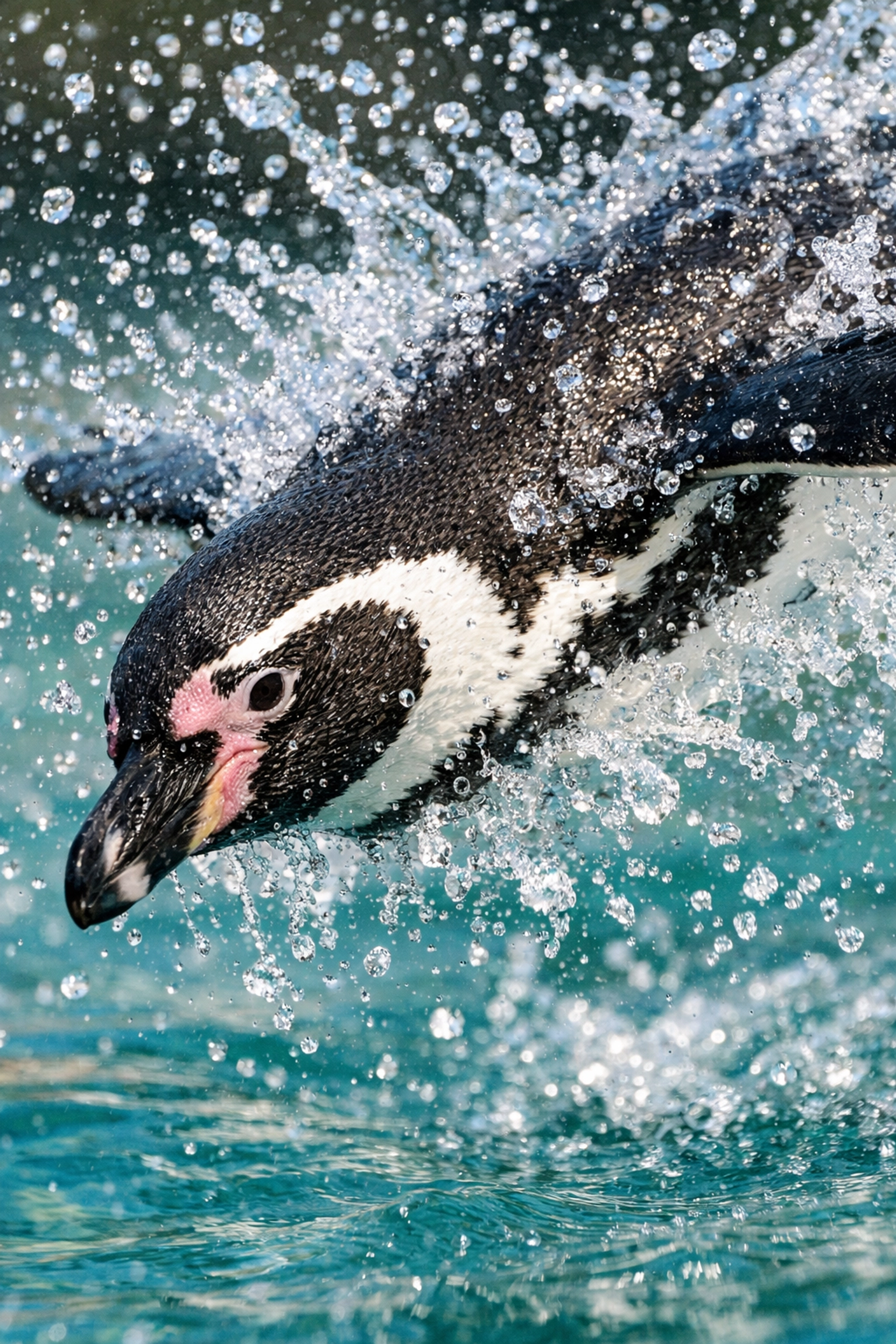
- Action shots (running, jumping, splashing) are rare and valuable.
- Show the animal "doing" something.
10. No clear story or purpose
Why are you taking the photo? If it’s just "to have it," it won’t be compelling. Professional imagery needs a goal.
The Fix:
- Think about the end user. Is this for a blog? A social media ad? A conservation report?
- Focus on the "personality" of the individual animal.
- Create a series that tells a story of a day in the life.
- Align your shots with ESG-aligned campaigns for better commercial appeal.
Why Quality Matters for Zoo Imagery
At Zoo Imagery, we provide high-end digital media solutions for zoos and aquariums. We focus on:
- Stock Photography: High-resolution assets for marketing.
- "Presented by" Pages: Connecting donors and brands to specific animals through visual storytelling.
- Species Spotlights: Highlighting specific animals to drive awareness.
If your photos are generic, they don't serve these goals. Use the tips above to elevate your work. Better photos lead to better engagement. Better engagement leads to better support for the animals.
Quick Technical Checklist
- Shutter Speed: 1/500s minimum for moving animals.
- Aperture: f/2.8 to f/5.6 for background blur.
- ISO: As low as possible, but high enough to keep your shutter speed fast.
- Format: Shoot in RAW for better editing control.
Get Started
Great photography doesn't require a safari. It requires a change in perspective. Start at your local zoo. Practice these ten fixes.
Visit zooimagery.com to see how we use professional imagery to support zoos and species conservation.
Check out our latest species spotlights and "Presented by" animal pages to see these principles in action.
Follow us on LinkedIn for more tips on digital media and animal photography.
Zoo Imagery
Simple. Professional. Impactful.


